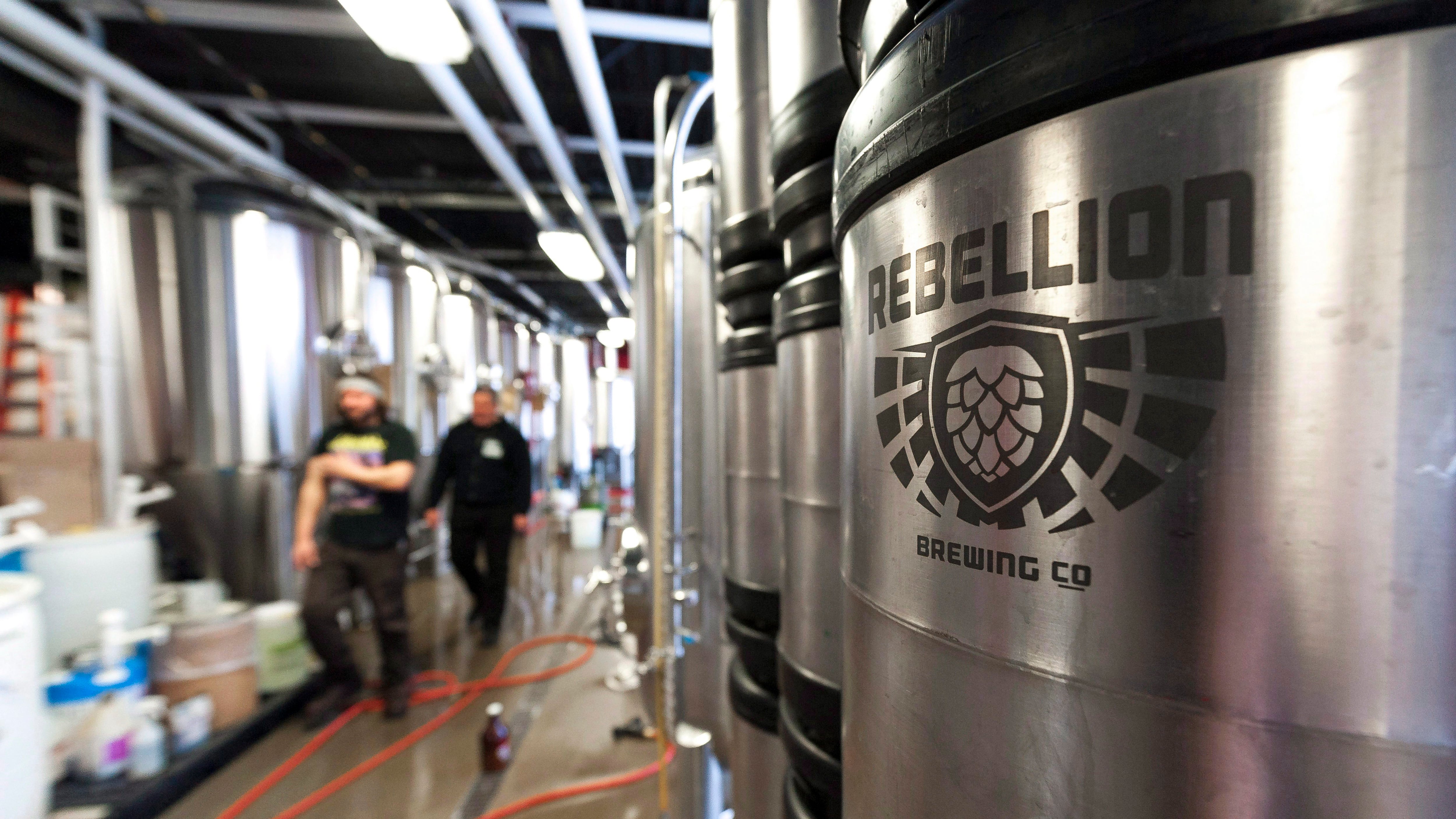
Canada’s craft brewing industry is juggling threats of inflation, U.S. tariffs on aluminum and decreasing alcohol consumption.
Recently, business felt slower at Better Brother Brewing, which opened its doors in Saskatoon in 2020. The brewery says it reflects the economic pressures facing small businesses.
“We’ve definitely noticed a shift in drinking habits with alcohol consumption trending lower overall compared to previous years,” a spokesperson for the brewery told CTV News.
A report from Restaurants Canada shows 41 per cent of Canadians have reduced their alcohol consumption in the last year, citing health concerns, lifestyle changes and cost as the main reasons.
Better Brother Brewing developed non-alcoholic options in response to changing consumer habits. The alcohol-free drinks don’t outsell their traditional beer, but the brewery says the products play an important role.
“Some guests come in specifically for non-alcoholic drinks and many others choose to switch to one after a pint so they can stay longer and still be social without continuing to drink alcohol,” the brewery said.
Non-alcoholic beers are the “fastest-growing segment” in the beer industry, according to Beer Canada’s president Richard Alexander. However, they represent a small percentage of overall beer sales, which have dropped 20 per cent from 2019 to 2025.
“That’s a big drop and it’s being driven primarily by cost-of-living concerns for consumers,” Alexander told CTV News.
Inflation has increased prices for consumers and brewery operators. U.S. tariffs on aluminum are also driving up costs of production, putting pressure on breweries of all sizes – especially small breweries – according to Alexander.
Increasing liquor taxes are another hurdle in the industry. Alexander said taxes make up about half of the cost of a beer.
“If you make a product more expensive by taxing it, more people are going to buy less of it,” he said.
The beer industry has not been an easy one to be in over the last few years, according to Rebellion Brewing president and CEO Mark Heise. His brewery has undergone layoffs and restructuring to remain viable.
“It’s been a huge up-and-down, tumultuous five years, frankly, since the start of (the COVID-19 pandemic),” he said. “But we’ve worked really hard, really diligently to get our business in order.
Heise says they are starting to see a shift. In Saskatchewan, the latest numbers show craft beer sales went up 3.3 per cent from January to November.
Alberta’s industry is seeing similar growth. Small brewers have steadily gained market shares in the province since 2022, according to the latest report from Alberta Gaming, Liquor and Cannabis.
The report shows small beer sales are up 6.5 per cent year-over-year in that province, while total beer sales are down 2.3 per cent.
Rebellion’s sales have increased over the last six months, Heise told CTV News from inside his Regina-based brewery. He plans to hire more staff this year, while expanding into Saskatoon with a new taproom.
“We’re feeling really confident going into 2026,” he said.
Some Canadian breweries forced to close
Jason Foster is a beer writer and educator based in Edmonton. He tracks the number of brewery openings and closures in each province.
“Craft beer is treading water in rough seas,” Foster said. “It’s kind of holding its own, but there’s a lot of tumult going on around it.”
For the last two years, the number of closures has outpaced the number of openings, something that Foster says the industry hasn’t faced in 15 years.
The total number of Canadian breweries dropped slightly in 2025 from 1,145 to 1,112. Every province – except Saskatchewan and Nova Scotia – saw a decline.
“I think the number of closures is actually more significant than what the overall statistics might show,” Foster said. “It used to be, you could just open your doors and sell a bunch of beer. That’s just not the case anymore.”
‘No cause for concern’
Canada’s craft beer industry went through a massive growth spurt over the last decade. Heise believes it is now “levelling off” as the industry matures.
Closures and fluctuation of sales are “normal” in any industry, Heise said.
“There are no alarm bells and no cause for concern,” he said.
Many in the industry have been forced to get creative, cut costs and find ways to make their beer stand out from the rest.
Despite the challenges, beer continues to be a staple in the country, according to Alexander. He believes fluctuations in the market will continue until the economy improves and costs go down.
“Over the long term, beer is here to stay,” he said.

