

The 2026 FIFA World Cup begins three weeks from Thursday, with Canada set to co-host the tournament for the first time ever at an expected cost of more than $1 billion, a number one expert says he isn’t surprised by.
“The majority of the costs associated with putting on each of the games are essentially security,” Pedro Antunes, chief economist at Signal49 Research, told CTV Your Morning on Thursday.
“We know that security costs have ramped up significantly over the last number of decades I would say, so it’s not that surprising.”
Canada’s federal budget watchdog said in a report Wednesday that based on the most recent information, the cost of hosting the 13 games being played between Vancouver and Toronto will surpass the billion-dollar mark, $473 million of which will be federal funds.
The cost per game is estimated at roughly $82 million, which is in line with past public spending on World Cup events, the report noted.
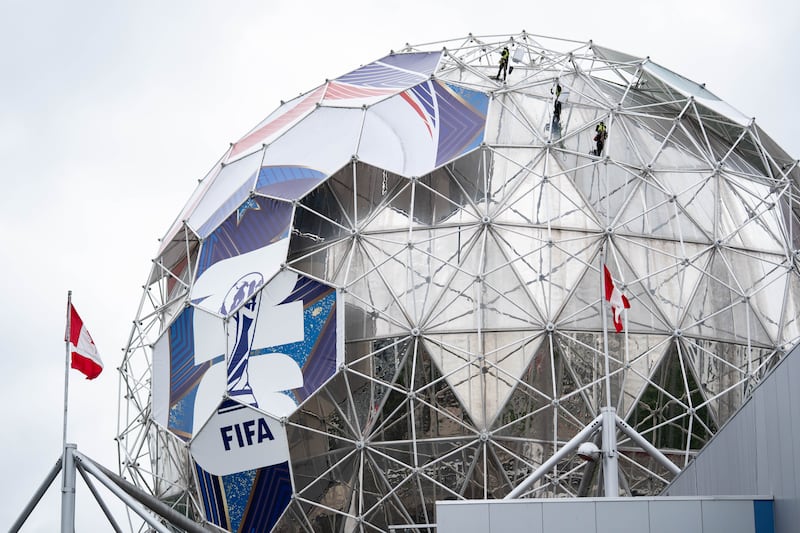
Big international sporting events like the World Cup and the Olympic Games are often heavily scrutinized due to the hefty costs shouldered by taxpayers in the host countries. However, they do come with economic benefits, Antunes said.
Citing a 2024 analysis by FIFA, soccer’s international governing body that organizes the World Cup, Antunes said the games are expected to generate a positive contribution of around $2 billion to Canada’s gross domestic product (GDP).
“It’s essentially income generated from wages that are pushed up by the event and profits for businesses that are operating or seeing some return from that event,” he said.
“So, there is a return here, but it is costly.”
Provincial, municipal expenses
Of the total cost of hosting the games in Canada, the majority is being taken on by non-federal levels of government, mainly the host provinces and cities themselves.
“For the cities … there’s been some capital investments as well, again, most of it is hosting the events and putting in place communications systems and audio-video and all the requirements that FIFA has in their contracts with the two cities,” said Antunes.
“(But) most of it will be with respect to policing the event and making sure that security is maintained.”
Antunes said the average Torontonian or Vancouverite isn’t likely to see a tangible return on investment in the aftermath of the games, but he noted that events like the World Cup can have a positive impact that’s not always easy to quantify.

“It really is up to the taxpayers and voters to decide whether these are the right moves, but I do think that we’ve had success in the past in the sense of national pride; there’s value to that,” he said, pointing to the 2010 Winter Olympic Games in Vancouver as an example.
“So, if our national team does well, I think this will be a positive for everyone.”
With files from CTV News’ Luca Caruso-Moro

