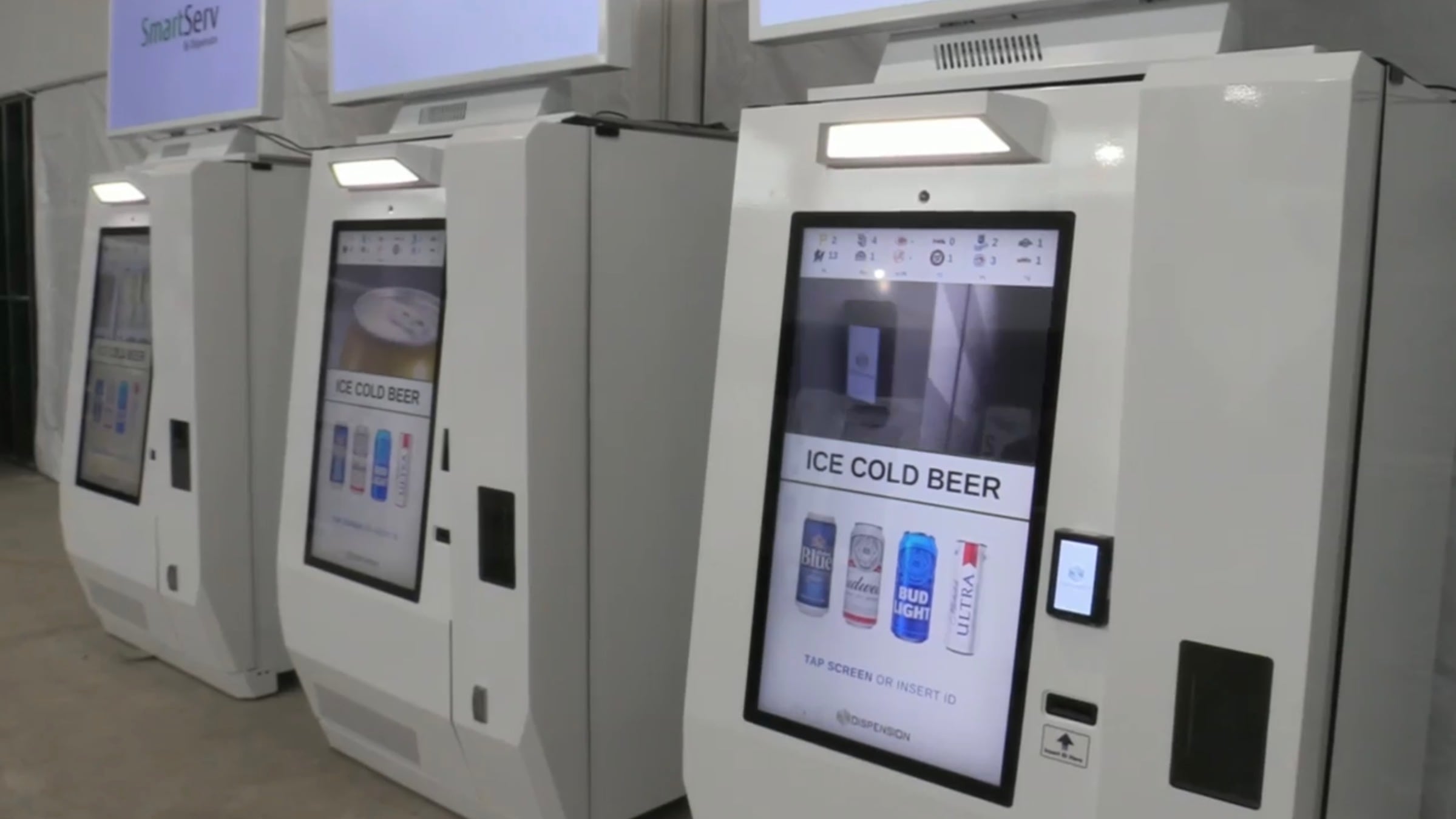
HALIFAX - A small Nova Scotia business that installs high-tech robotic vending machines in sports and entertainment venues is making a major splash in the U.S. alcohol marketplace.
“We have a product that is always going to be in demand,” said Corey Yantha who is the founder and CEO of Dispension Industries Inc., a Dartmouth, N.S. vending company that has 25 employees.
“Currently, we are set up at maybe our most high-profile venue, which is Dodger Stadium where we have done more than $200,000 in sales with two machines, over the period of the year and that’s the highest revenue per square foot in that stadium,” said Yantha.“And we have just launched at Empire Field, the home of the NFL’s Denver Broncos.”
Yantha has also begun negotiations with other NBA, NHL and NCAA arenas and stadiums.
“Once we proved it in some of the biggest most iconic venues in the world, everyone else has started calling,” he said. “Our challenge now is not developing a product from scratch and testing it in the market, but our challenge is building enough of these machines to satisfy the demand.”
Before breaking into the American market, Yantha already had vending machines in place in several Canadian cities.
“We did some work with Scotiabank Centre in Halifax,” said Yantha. “And we have had units at Mary Brown’s Centre in Newfoundland, and they’ve been performing well for a few years.”
Each vending machine is equipped with high-tech and strict serving protocols.
“A customer walks up and they insert their ID and our technology uses ultraviolet, infrared, invisible light to scan all the security features on the ID,” said Yantha. “We check the age of the guest, and the expiry date of the ID and then a camera opens and compares their face to the photo on the ID.”
Canned alcohol is then served, pre-opened for customers to drink.
Alcohol historian Rod Phillips said the technology that ensures vending machine customers are legal drinking age could pave the way for these devices to grow in popularity across North America.
“I could see vending machines like this in stores, and I could see them in malls and other places where other people want convenience,” said Phillips, who is a professor at Carleton University in Ottawa. “And convenience is one of the things people are looking for, and if they could get alcohol through a machine, then I am sure a lot of people would like to.”
The success of Yantha’s company south of the border comes at time when trade tensions have strained the relationship between Canada and the U.S.
“We think we have developed a technology that transcends tariffs,” said Yantha, who added while both federal governments might not be getting along, his American-based corporate partners have given him a helping hand while setting up his beer and ready-made alcoholic drinks vending business for future success.

