Alberta is making changes to where some data centres can go.
The new policies were included in the omnibus Bill 42 tabled on Wednesday encompassing amendments to data centres, oil and gas and the forestry sector.
The province says the Energy, Environment and Utilities Statutes Amendment Act, 2026, responds to Albertans’ concerns over data centres by restricting projects 10 megawatts (MW) or larger from being built within 600 metres of the nearest home or on “high-quality” farmland.
Centres that size would also be prohibited on irrigated land, which the province reports would protect about 14 million acres of Class 1 and 2 agricultural land.
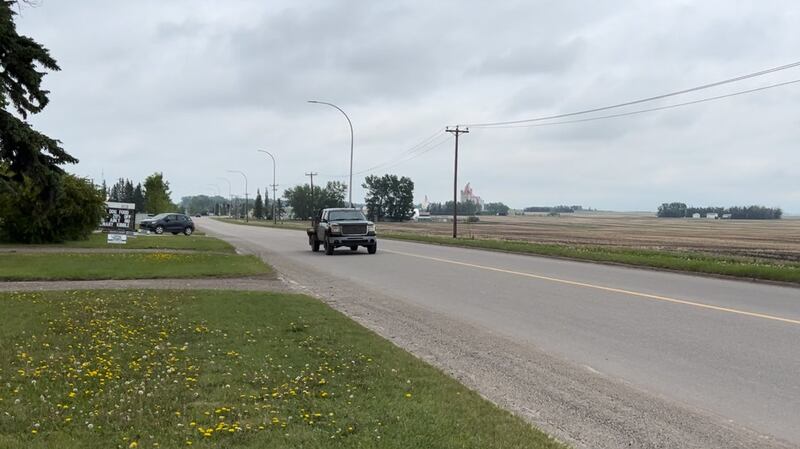
The province said the changes would prevent situations like that in Olds, where a 1.4-gigawatt (GW) facility was announced on the east side of the town. The proposal sparked public backlash and was eventually rejected.
“This will give communities like Olds that confidence that this can never happen in their backyard, and they don’t have to wait for months and months and months for a regulatory process to unfold,” Technology Minster Nate Glubish said.
Glubish said feedback from Albertans informed the new policies.
To address environmental concerns, the Alberta Utilities Commission (AUC) would become the regulator of all centres 10 WM or larger, which Glubish said would ensure projects are held to the same noise and light standards as power plants.
He added the bill would also support the development of regulations that would define efficiency standards for water use.
Jorden Dye, director of the Business Renewable Centre of Canada, said water limitations are good news, but added the bill is lacking regarding other environmental concerns.
For example, centres connecting to the grid will have to be gas-powered.
“We have a significant increase in emissions coming if the currently proposed data centres are built out,” Dye said. “It would be about 1.8 times the emissions of Canada’s entire energy grid.”
“I would also raise that the Alberta government is currently reviewing renewable setbacks and is proposing to allow municipalities to restrict those to up to 1,500 metres,” he added.
“if that goes forward, we could see a world next year where a data centre could be half as close to your your house as a solar farm.”
Affordability
The province says the new legislation would address affordability worries over data centre development by addressing high distribution costs in some areas and requiring centres pay for any infrastructure needed to access the grid.
“Down the road, there is and can be a great benefit when you have large-load users like this that can pick up the majority of the transmission costs,” Minister of Affordability and Utilities RJ Sigurdson, said.
Dye said nothing in the new bill would protect Albertans from rising energy prices caused by centres’ increased demand on the grid.
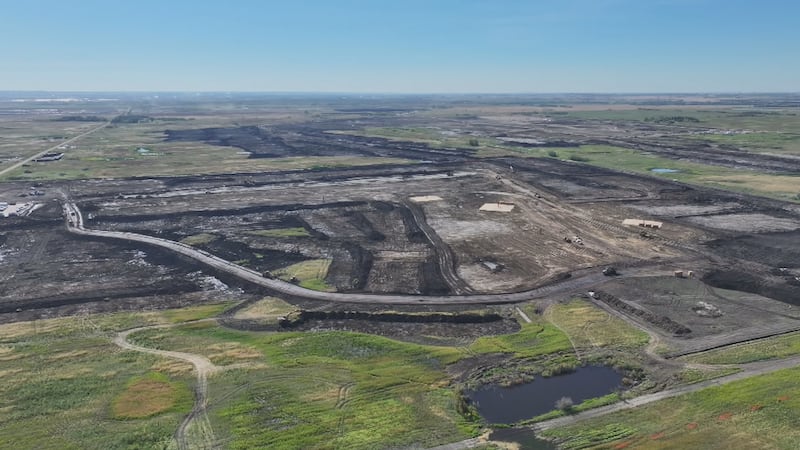
For example, the hyperscale 1-GW Meta facility in Sturgeon County has been approved to pull 970 MW from the grid when it comes online years before its own power source is ready.
“The actual concern for Albertans, their power bills, will go up during the bridging period,” Dye said.
A report from the Pembina Institute this year estimated that connection could add hundreds of dollars to Albertan’s annual energy bills and offset the benefits of lower transmission fees.
The Alberta Electric System Operator (AESO) said in August that wholesale electricity prices were expected to increase due to more demand, but added that demand would in turn “attract new supply” that would later lower prices.
“This is how the market balances prices over time and signals when and where supply is needed,” the AESO said.
Neither Sigurdson nor Glubish directly answered questions when asked about rising electricity prices on Wednesday.
“We’re taking a look at what’s necessary to make sure we have the merchant power available, the buildouts happening in the province, to make sure that we continue to have the most affordable utilities in Canada,” Sigurdson said on Wednesday.
The province reports that there are 70 data centres currently working with its concierge program and that 30 per cent of those could be impacted by the new policies.
Projects with already approved permits will not be subject to the new policies, Glubish said.
He said, if Bill 42 passes, the AUC will be responsible for public engagement on data centres and Albertans with concerns can file a complaint with that regulator.
Changes in the bill regarding other industries include:
- increased penalties for illegal dumping and other environmental contamination;
- the creation of a new fund for oil and gas cleanup and reclamation;
- increasing market access to forests; and
- repealing the Oil Sands Emissions Limit Act, which the province said was never implemented.

