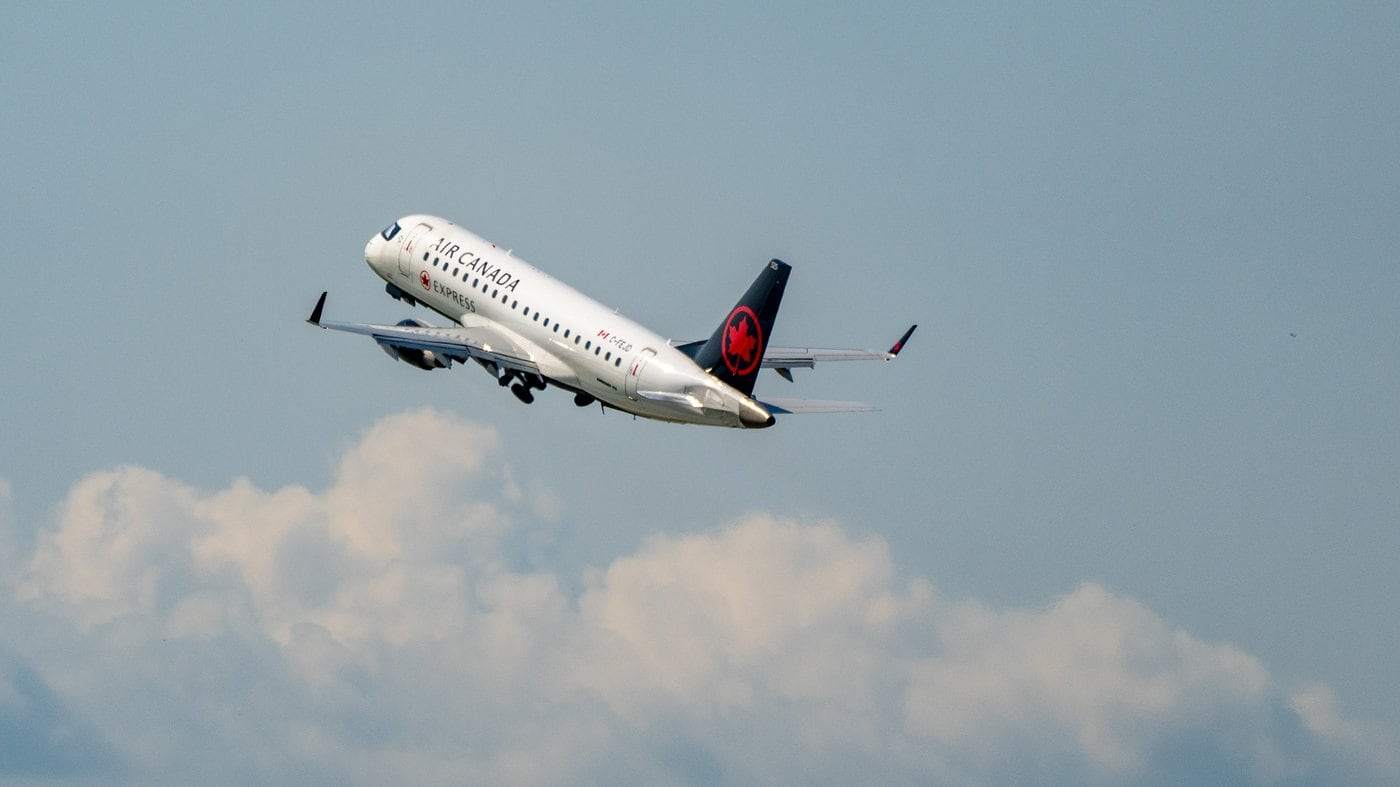
MONTREAL — Air Canada has embarked on a major expansion of its network overseas, announcing seven new routes in Europe and Asia for next summer.
Chief commercial officer Mark Galardo says the move signals a push to become a fully international carrier as the country’s largest airline aims to draw more on higher-margin globetrotters and less on purely domestic customers.
“We talked about an Air Canada that would be further transforming itself into a global airline — not just a Canadian airline, a true global airline — and be focusing on further building its long-haul network,” Galardo said in a phone interview.
The build-out also comes as Air Canada and its competitors struggle to navigate fuel costs as the Iran war drags on, a prolonged plunge in Canadian demand for U.S. travel and the years-long closure of Russian airspace to Western airlines — a serious hurdle to travel between central and eastern North America and Asia, given the polar routes through Siberian skies.
To help offset those challenges, the airline plans to launch new service to five foreign cities including Guangzhou, China — the trip from Vancouver steers clear of Russia — Oslo, Norway, and Dubrovnik, Croatia, cementing its status as the second-largest North American airline by overseas destinations served.
Galardo stressed Canada’s location as ideal for layovers on trips between the Americas and Europe, which make up a key source of revenue.
“What’s really critical for us is to position Canada as a global transit point for traffic to and from the Americas at large,” he said, pointing to Air Canada’s biggest hubs in Toronto, Montreal and Vancouver.
“We’re 42 million Canadians, but when you look at our geographic placement, we can effectively serve a market that’s a billion people wide and deep.”
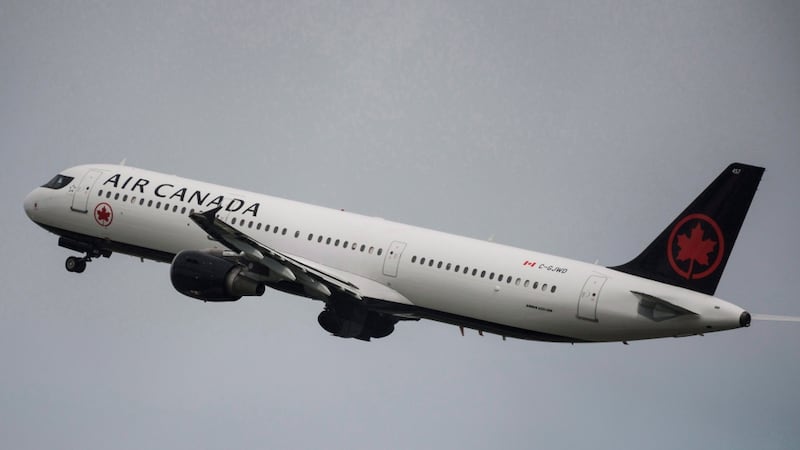
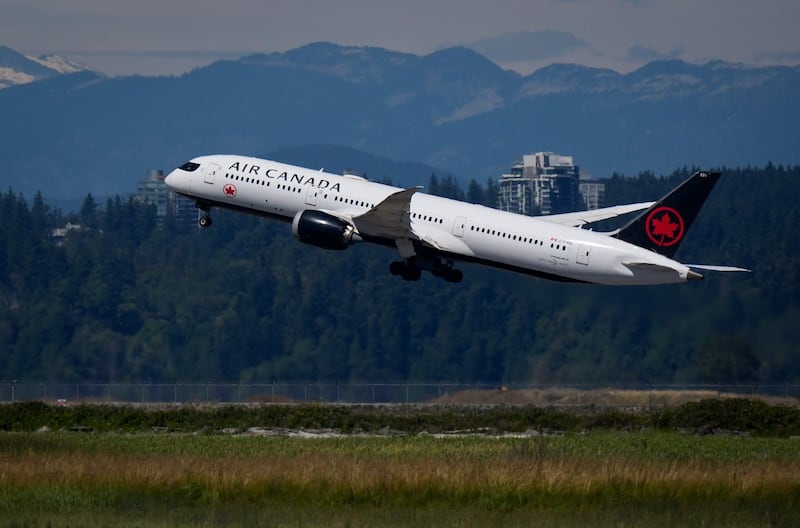
Driving the expansion are new long-range Airbus A321 single-aisle jets as well as Boeing 787 wide-bodies, though major delivery delays have hampered their rollout.
The first of an expected 30 A321XLRs arrived at Air Canada in April, with a “big batch” en route in 2027 and the final delivery slated for 2029, Galardo said of the fuel-efficient aircraft.
The Montreal-based company scaled back an initial order of 18 787-10s to 14 of the Boeing jets last fall amid production delays, but the first is set to touch down later this year and enter service in 2027.
“Better late than never,” Galardo said.
By next summer, Air Canada aims to operate more than 125 international routes to 85-plus destinations, excluding the United States. The expansion will mark an eight per cent jump in overseas flight volumes compared to the summer of 2026.
The other new cities on the schedule next summer are Shannon, Ireland, and Basel, Switzerland. Flights between Toronto and Shanghai will ramp up to daily service, while trips to Guatemala City from Toronto and Montreal will be year-round.
The attempt to expand the airline’s horizons speaks partly to the drop in demand for cross-border travel among Canadians put off by U.S. President Donald Trump’s tariffs and sovereignty threats.
Canadians’ return trips by air from the United States numbered 27 per cent fewer in July than the same month two years earlier, according to Statistics Canada.
In the same period, Air Canada flight volumes between the two countries fell 13 per cent, figures from aviation data tracker Cirium show.
Galardo cautioned against reading too much into cuts to some of its cross-border corridors. The carrier opted to halt or delay eight transborder routes starting this fall, but recently added routes to cities such as Nashville, Tenn., Cleveland and Columbus, Ohio.
“Americans coming up to Canada, that has not fallen at all. In fact, it’s increased. And then you have Americans that transit through Canada to go international,” he said.
“It’s a bit early to say exactly what the U.S. capacity will look like next year. But at least I can say the situation is stable at this point in time. We don’t see any need to make any big changes or movements.”
Galardo is part of the airline’s executive committee, which will report to the board of directors until incoming CEO Anko Van der Werff comes aboard in January, the company says. Michael Rousseau stepped down as chief executive on Monday after 5 1/2 years in the top spot.
Christopher Reynolds, The Canadian Press
This report by The Canadian Press was first published Sept. 3, 2026.

