TORONTO – An Ontario-based company that’s building its own rockets says its first satellite in orbit is working well after hitching a ride on an American rocket.
NordSpace says it is now the first aspiring Canadian rocket company to operate its own hardware in space.
“It’s operating successfully. Everything’s looking great,” CEO Rahul Goel told CTV News. “It’s a huge milestone for us.”
Video from NordSpace’s mission control in Markham, Ont., shows staff cheering and hugging earlier this month as the satellite separated from its rocket.
“That was a beautiful moment that we got to share with our team,” Goel said.
According to the company, its Terra Nova satellite has completed its early orbit phase, with all mission goals met so far.
“We have complete and perfect contact with it,” Goel said. “We’re starting the commissioning phase where we’re powering up various subsystems.”

Built in nine months
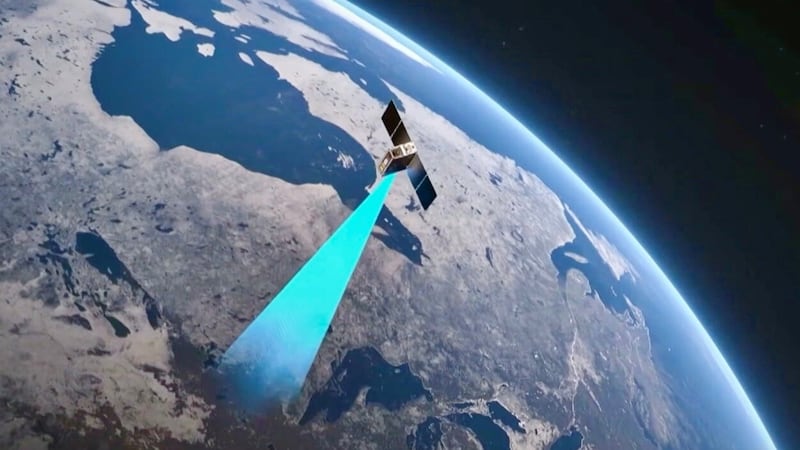
NordSpace calls Terra Nova a pathfinder satellite, also known as a test satellite. The company says it was designed, built and tested in-house, including heat, vacuum and vibration testing, and went from concept to launch-ready in nine months.
“It’s that demonstration ... that we can actually do this efficiently and quickly,” said Goel.
The satellite’s systems include an electric thruster and AI-powered cameras. In the coming weeks, NordSpace plans to test whether it could help monitor wildfires and keep watch on the Arctic. The company says the privately funded satellite will demonstrate both defence and commercial uses.
“Part of our mission is to develop launch vehicles, satellites and everything else in between,” Goel said. “This is a big step in that direction.”
Goel says the goal is to be ready for “a future where Canada is launching its own rockets with its own payloads from Canadian soil.”
Launched on a U.S. rocket
The SpaceX Falcon 9 rocket that carried Terra Nova lifted off from California with about 130 other satellites on board.
“It’s pretty much our only option,” said Goel, who believes Canada is still a couple of years away from having its own rockets that can deliver payloads to orbit.
NordSpace’s launch vehicles have yet to fly.
Attempts last year to send the company’s small Taiga test rocket on a suborbital flight were scrubbed several times, including when a safety system triggered too early and when a small fire broke out on the launch pad.
Goel now says Taiga could launch in a couple of weeks from the company’s Atlantic Spaceport Complex in St. Lawrence, N.L., pending regulatory approval. The site is being built with both government and private funding.
“It’ll be the first commercial rocket to launch from a commercial launch site in Canada, and really a major demonstration of the future that we’re building,” he said.
The company plans to follow Taiga with larger orbital rockets, called Tundra and Tempest.
Moon rover planned
NordSpace, which was founded in 2022, has 55 employees working at its Markham headquarters called Rocket Factory 1. It also plans to hire about 100 people in Newfoundland and Labrador.
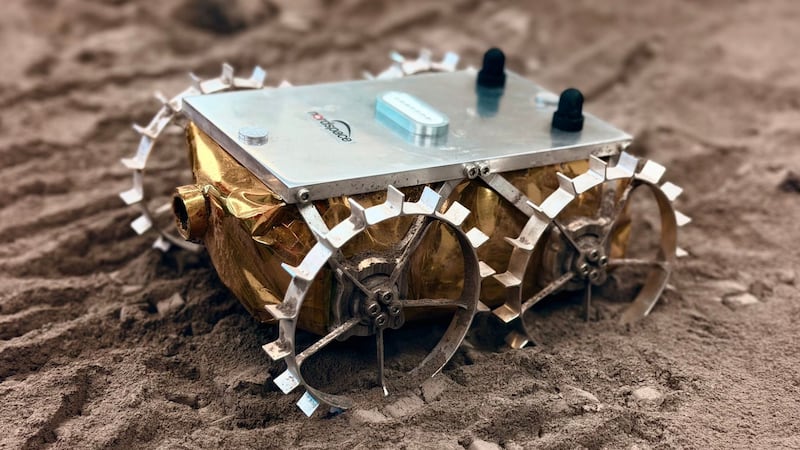
Among the company’s other ambitions is the development of Terry, a privately funded lunar rover named after Terry Fox, which is being tested in a simulated lunar environment at its facility.
“We have complete setup that looks like the surface of the moon, feels like the surface of the moon, and Terry’s been driving in there.”
Goel notes that while Canadian astronaut Jeremy Hansen flew around it on Artemis II earlier this year, Canada has never landed a rover on its surface.
“We will be, I believe, the sixth nation in the world to ever have a lunar rover, and the first for Canada,” Goel said of the mission, which he believes will happen next year.
NordSpace has not yet said how the rover will get to the moon. The Canadian Space Agency had planned its own lunar rover but cancelled the project earlier this year as part of federal spending cuts.

