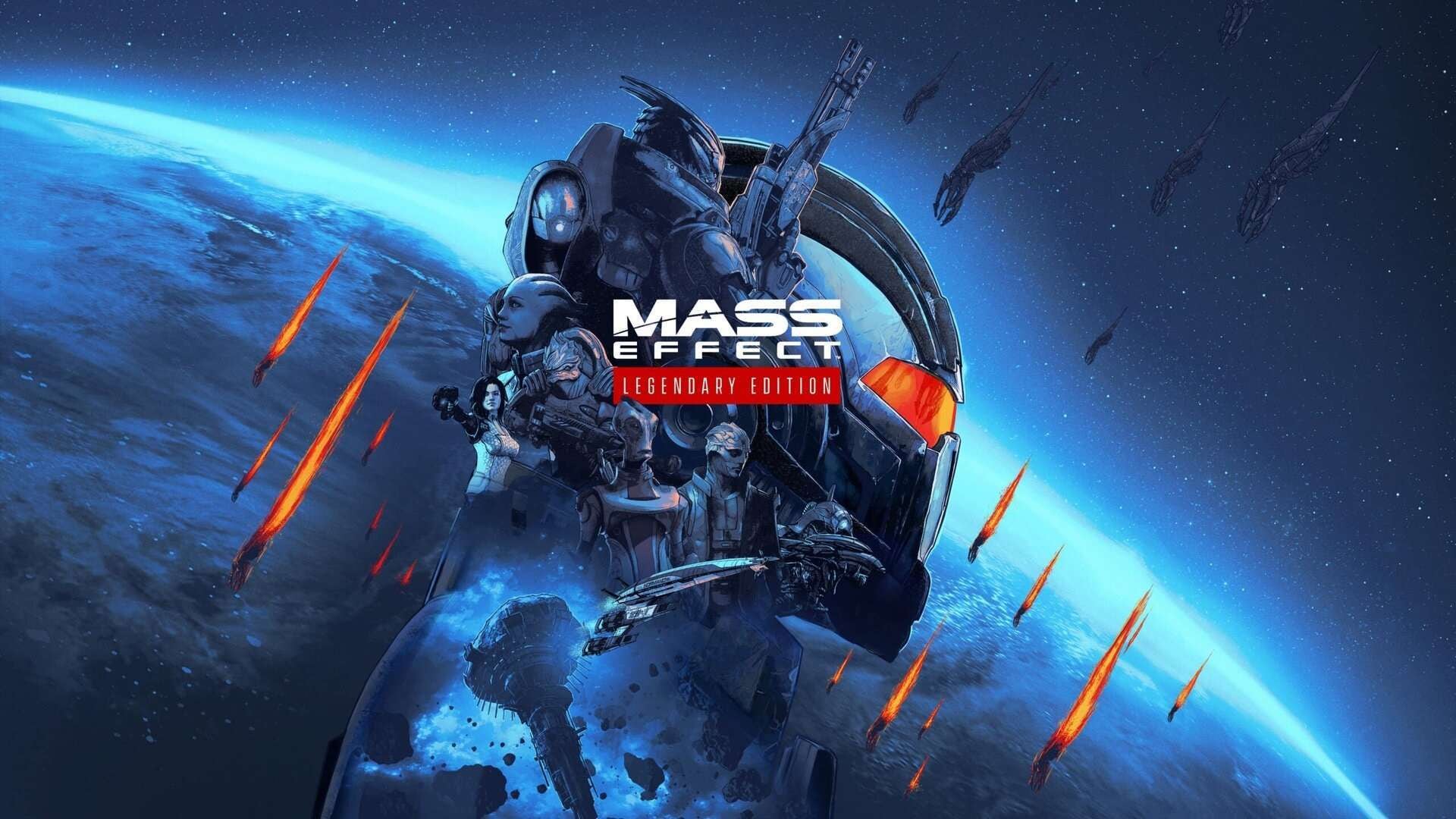
The Reapers have come, spelling the end of an age for Alberta’s only AAA video game studio as BioWare announced Wednesday it would be shutting down.
The studio behind beloved games and franchises like Baldur’s Gate, Star Wars: Knights of the Old Republic, Mass Effect, and Dragon Age was founded in Edmonton in 1995.
“After more than three decades of shared adventures, BioWare is closing and early development on the next Mass Effect project is ending,” the studio wrote in an announcement online.
BioWare once also had offices across North America, including in Montreal, San Francisco, California, and Austin, Texas.
The company was acquired by Electronic Arts (EA) in 2007. Recently, EA was acquired by a group of buyers, including Saudi Arabia’s Public Investment Fund and Affinity Partners, which is led by U.S. President Donald Trump’s son-in-law, Jared Kushner, according to the BBC.
The decision to shutter BioWare is being seen as a “cost-saving” measure and described as a “tremendous loss” by Travis Gibson, a vice chair with Digital Alberta.
“Today sucks. BioWare going down sucks. I can’t under use this word enough; it is a legendary studio,” Gibson said. “The initial feelings are obviously going to be raw. It’s a gut punch. I can’t imagine what the people on the floor of BioWare are feeling and going through right now.”
Edmonton Mayor Andrew Knack, who says Mass Effect is one of his all-time favourite game series, expressed sadness for the loss of the studio, laying the blame squarely on corporations.
“This has nothing to do with Edmonton; this has to do with their corporate company making that decision,” Knack added.
“We’ve been seeing Xbox laying off thousands of people over the last six months here. This industry has evolved significantly, and so it’s a shame to see how the video game industry has been impacted like this.”
How it started, how it ended
At one point, there were hundreds of people employed at BioWare, but the company got its start in the early ’90s with only six people.
“It was a bunch of clueless farm kids and city kids from Alberta deciding that, in an era where everybody thinks video games can only be made in California or Japan, maybe we can do it, too,” said BioWare co-founder and current CEO of Beamdog Trent Oster.
“We started work on a game called Shattered Steel … it did things in 1996 which people just hadn’t even heard of before,” he added.
“It was successful enough that we managed to greenlight our second title, which was Baldur’s Gate, and it was a resounding success, even though everybody told us it would not be.”
Oster left BioWare in 2009, two years after it was acquired by EA.
“EA wasn’t a good fit. There were just some fundamental misalignments,” Oster said.
“EA, at its core, is a monetization company. It takes franchises, it figures out how to extract money out of them on a regular basis for shareholder return. BioWare was an innovation company, long investment cycles, uncertain payoffs.”
Oster believes there were around 40 employees left at BioWare at the end, mainly those working on the now-cancelled fifth installment in the Mass Effect franchise.
“Having (BioWare) shut down, it’s a seismic blow to the local industry,” Oster said.
“You’ve got a lot of people who are really talented, who could have been in big mentoring roles throughout the local industry, and now many of them will probably have to move elsewhere for jobs because the Edmonton scene is quite small.”
Celebrating BioWare’s legacy
While upset about the closure, Knack wanted to emphasize the impact BioWare has had on Edmonton and the gaming industry over its 31 years.
“The video game industry is what it is today because of BioWare, and you can never replace them,” he said.
“Making games back in the ’90s when they started was incredibly hard and incredibly time-consuming, and they did something special pretty much with every single one of their games,” added Gibson.
“They made something almost purely for the gamer, and gamers really resonated with it, and they enjoyed it, and they loved it.”
As sad as many may be feeling over the loss of an industry-defining studio, Gibson hopes one day there may be a silver lining for gamers.
“Video games is still a very passionate industry, and we still have an incredible amount of talent in Alberta and in Edmonton specifically, and I’d hate for this talent to go and move industries if they don’t want to,” he said.
“Hopefully, in 10-, 20-years’ time, we have another equally, or if not better, legendary studio within Edmonton that we’re known for.”
Gibson added that Digital Alberta is ready to support those affected by the closure who may now be looking to find a new role in the industry, including opening their own studios.
Edmonton has a plethora of independent gaming studios with recent and upcoming releases, including studios with former BioWare employees like Studio Reset, Arcanaut Studios and Beamdog.
“This is essentially our mandate and our mission, and this is going to be our focus moving forward,” he added. “We get to grieve a little bit, we get to go and do another playthrough of Knights of the Old Republic, and then we get to move forward.”
With files from CTV News Edmonton’s Jeremy Thompson

