The Motion Picture Association has “strongly” condemned a decision from the Canadian broadcasting regulator to require global streaming giants to contribute more of their Canadian revenue to support Canadian content. Meanwhile, a prominent Canadian broadcasters’ association says that the new framework puts “significantly higher financial burden” on private Canadian broadcasters than U.S. streamers.
The MPA – which represents Disney, Netflix, Paramount, Prime Video and others – says the decision triples the cost of doing business in Canada and violates the free trade deal between Canada and the U.S.
On Thursday, the Canadian Radio-television and Telecommunications Commission (CRTC) unveiled new rules on streamers such as Netflix and Disney. Companies like those would be compelled to pay 15 per cent, up from five per cent, of revenue. The CRTC could not say exactly when the new rules will be enforceable.
The money would be used to support Canadian and Indigenous content, including news and French-language media. It would also contribute to a new fund supporting “services of exceptional importance,” according to the CRTC.
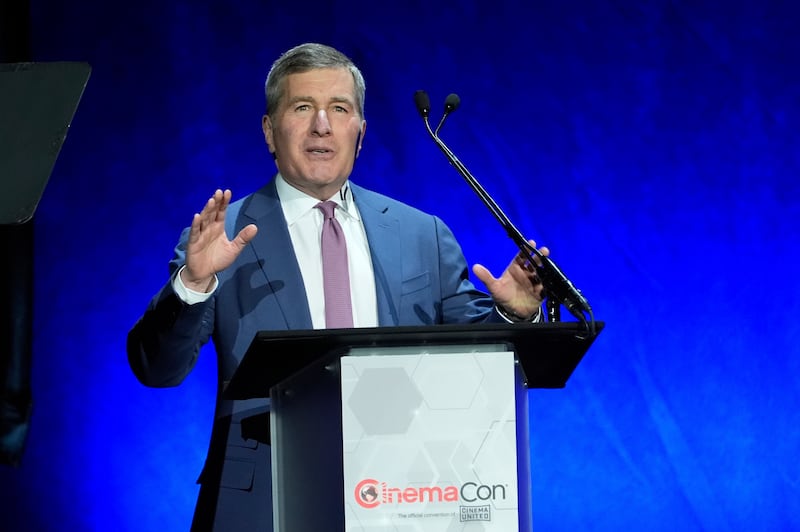
“The Motion Picture Association strongly condemns the CRTC’s decision to impose unprecedented, unnecessary, and discriminatory investment obligations on American streaming services operating in Canada,” reads a Thursday statement from MPA CEO Charles Rivkin.
“We urge the Canadian government to reconsider this approach,” he said, adding the new rules are inflationary.
The CRTC says the decision modernized Canada’s Broadcasting Act. In 2024, the regulator announced it would require online broadcasters to make a base contribution of five per cent of their Canadian revenues to support the broadcasting system.
That rule, part of the Online Streaming Act, has been repeatedly noted as a trade irritant by the Trump Administration.
None of that money has been collected yet as streaming companies challenge that rule in court. Annual costs are estimated to be at least $1.25 million per company.
Canadian broadcasters pay more
But The Canadian Association of Broadcasters (CAB) notes what it calls a “significantly higher financial burden” on private Canadian broadcasters, which, under the new rules, must contribute 25 per cent of their revenues, down from contributions as high as 45 per cent.
While the CRTC called the reduction “relief,” the CAB notes it remains higher than the 15 per cent rate imposed on streamers.
“The CAB remains concerned that the new CPE framework continues to place a significantly higher financial burden on private Canadian broadcasters, who must contribute 25% of their revenues, compared with 15% for online streaming services.”
A cultural exception?
“Obviously, this is going to impact trade negotiations,” Technology analyst Daniel Bader told CTV Your Morning Friday. He predicted the United States would view the CRTC’s new requirements as an additional tax on U.S. streamers.
However, he added, regulators are “taking up the Online Streaming Act’s legislation that was passed in 2023, long before the Trump administration was back in power.”
And while the MPA says the decision violates CUSMA, the North American free trade agreement, Bader says the agreement does allow Canada some wiggle room with regard to culture.
CUSMA includes an exception for cultural industries, which the government calls “a key provision designed to preserve Canada’s cultural sovereignty, including in the online environment.”
Canadian Identity and Culture Minister Marc Miller said he was reviewing the decision.
“As we carefully assess its impacts, it will always be paramount to ensure that Canadians continue to see themselves reflected on screen, hear Canadian voices, and celebrate what makes this country unique,” he wrote.
With files from CTV News’ Abigail Binman

