NEW YORK — A global diesel shortage fueled by wars in Iran and Ukraine is unlikely to ease before next year, according to storage market indicators and industry participants, extending a spike in fuel costs that is weighing on economies worldwide.
The wars have severely disrupted diesel supplies, stranding millions of barrels a day in the Middle East and Russia, draining inventories to historic lows and sending prices to record highs. The shortage has been a drag on economic activity, as diesel fuels agriculture, manufacturing, and heavy transportation.
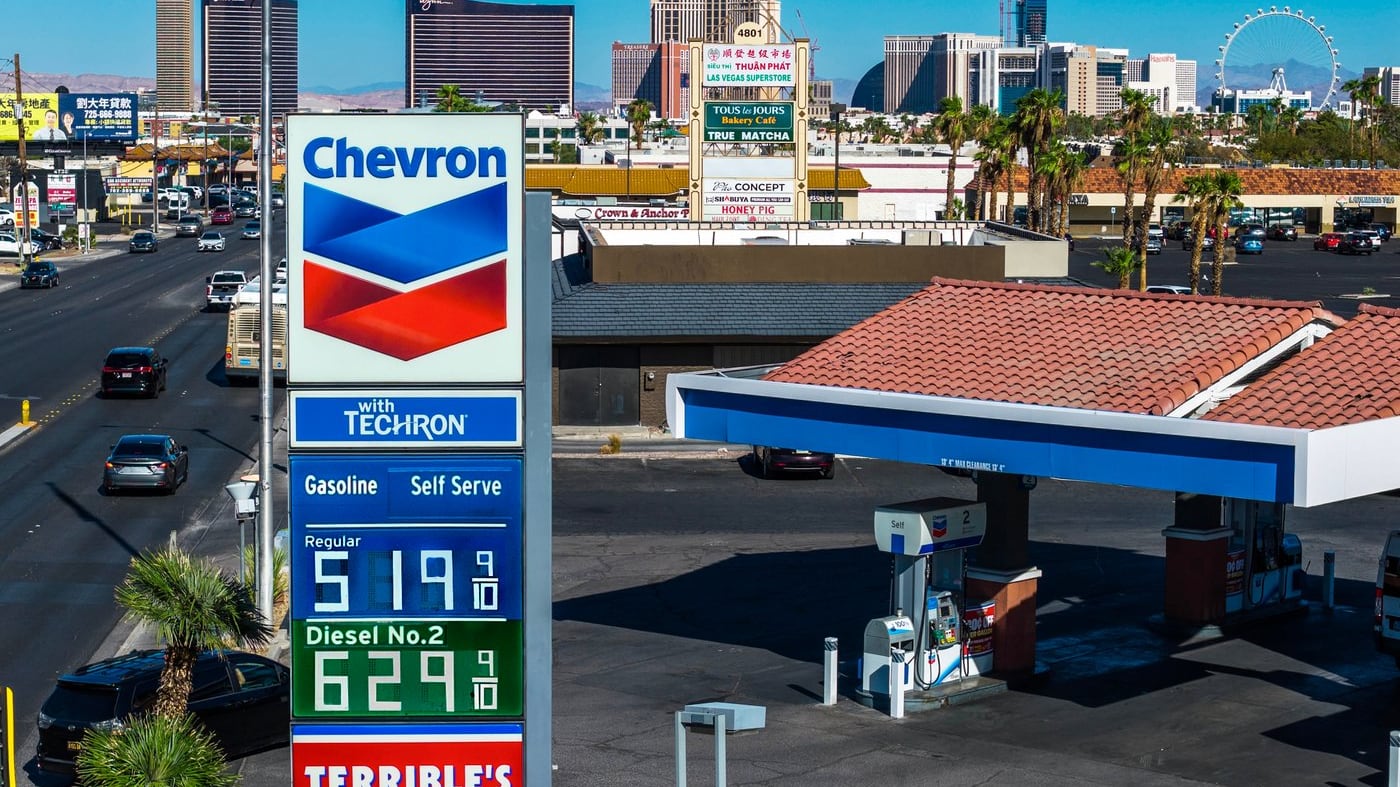
In the United States, retail diesel prices topped $6 a gallon this month for the first time, squeezing farmers and truckers and stoking worries for President Donald Trump’s Republican Party ahead of the November midterm elections.
Another sign of persistent tightness is emerging in the storage market. Refiners and traders across North America are declining to renew diesel storage leases because there is little fuel available to store, data from storage broker The Tank Tiger showed.
Diesel storage capacity available for leasing in North America and the Caribbean Islands, a major trading hub, has climbed to a four-year high of 13 million barrels for October, from 11 million barrels in June, The Tank Tiger Chief Operating Officer Steven Barsamian told Reuters.
Total US diesel inventories declined to 107.9 million barrels by September 11, the lowest for this time of year since records began in 1982, according to the US Energy Information Administration.
The rapid draw of diesel from US storage indicates how tightly supplied the market has been in recent months, and the rising availability of tanks for lease underscores how long the tightness is expected to persist, Barsamian said.
The combination of falling inventories and rising storage availability suggests market participants expect supplies to remain tight into at least the first quarter of next year, Barsamian said. Storage tanks are typically leased for six months to a year.
“More storage is available for lease because no one wants to renew their existing contracts. Why would you pay for a storage tank when there is no diesel to store?” Barsamian said.
EcoBox Dumpsters, a U.S. waste management business, is limiting its rising fuel cost by using smaller trucks where possible, grouping deliveries and pickups in the same area, and confirming pickup schedules to avoid unnecessary trips.
“Each unnecessary truck movement now has a much greater cost,” said owner David Garrigus.
A GLOBAL CONCERN
The EIA also expects inventories to stay depleted.
“We forecast inventories of distillate fuel oil — often sold as diesel — in the United States to fall below 100 million barrels in September and remain below the five-year low through the end of 2026 and most of 2027,” the EIA said earlier this month.
European diesel inventories are also low. Stocks in the Amsterdam-Rotterdam-Antwerp storage, refining and trading hub were 16 per cent below the five-year average in July, according to the latest data available from Insights Global. In Singapore, total distillate inventory levels averaged about 8.2 million barrels over the past few weeks, similar to pre-Iran war levels, but below the 2025 average of 9.6 million.
“Various Asian emerging markets have been affected quite significantly,” said Andrea Pescatori, the International Monetary Fund’s Asia-Pacific deputy division chief, at the Asia Pacific Petroleum Conference in Singapore.
SOME SIGNS OF RELIEF
Industry executives expect global diesel supplies to stay tight through winter, particularly if Middle East tensions further disrupt fuel exports and Russia’s diesel export ban remains in force through October. Moscow will extend diesel export restrictions until the end of October, Russian business daily Vedomosti reported on Tuesday.
US diesel prices may rise further as US East Coast buyers purchase barrels ahead of the heating season, before peaking, said Alex Hodes, director of energy market strategy at StoneX.
Analysts also expect record diesel refining margins to encourage more production, limiting price increases.
The US diesel crack spread — the premium of ultra-low sulfur diesel futures HOc1 over US crude oil futures CLc1 — hit a record $118.62 a barrel on September 14.
Further relief could come from China, which has boosted exports steadily in recent months, energy economist Philip Verleger said this month.
Still, any escalation in the Iran or Russia-Ukraine wars, or a major refinery outage, could trigger fresh price spikes.
“Current fundamentals point to higher prices staying here for a while,” Hodes said.
(Reporting by Siddharth Cavale and Shariq Khan in New York: Additional reporting by Seher Dareen in London, Florence Tan and Sudarshan Varadhan in Singapore Editing by Liz Hampton and Rod Nickel)

