


OTTAWA – After the Bank of Canada announced its new policy rate of 2.5 per cent, it conceded that the increase could further weigh down a Canadian housing market that’s already expected to shrink by one per cent this year.
In its October monetary policy report, the central bank projected that housing will only contribute one per cent to the economy over the next two years, after the sector shrunk in 2026.
“Our outlook on housing is pretty subdued,” said Carolyn Rogers, the BOC’s senior deputy governor.
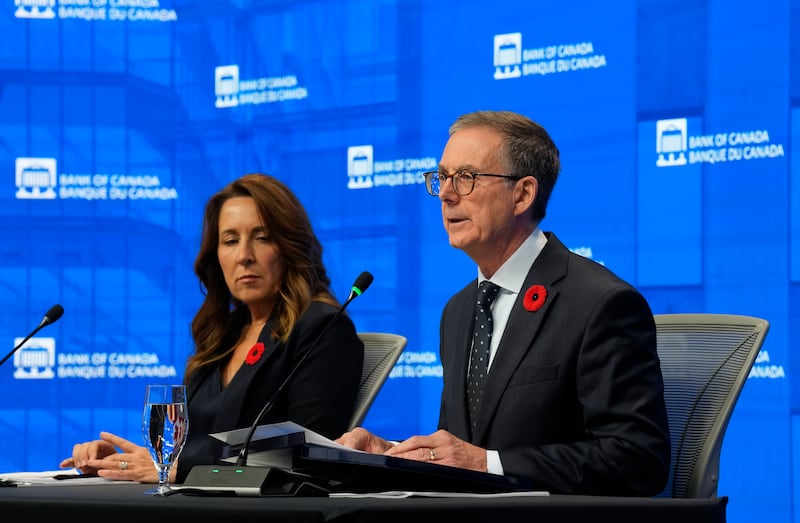
She said people are holding off on making big purchases like buying homes in a climate of uncertainty, and expects the housing sector in Ontario and British Columbia – specifically in Toronto and Vancouver – to feel the biggest impact.
“Borrowing rates are currently weighing a bit on the housing market (and) an increase will add to that a bit on the margin,” Rogers said during a news conference Wednesday.
The BOC said it expects persistently high energy prices caused by the war in Middle East to keep inflation above three per cent for most of 2027.
According to the U.S. Energy Information Administration, the average price of Brent crude in October is about $124 USD a barrel compared to $84 in July.
Colonnade Bridgeport, a commercial real estate firm based in Ottawa, said the rate increase will have an impact on developers who rely on third-party financing in a sector with thin project margins.
“When borrowing goes up, our cost of capital goes up and that has an impact,” said Colonnade Bridgeport CEO Hugh Gorman.
“Every time there’s an increase in cost in development … it makes it more difficult to get the project off the ground.”
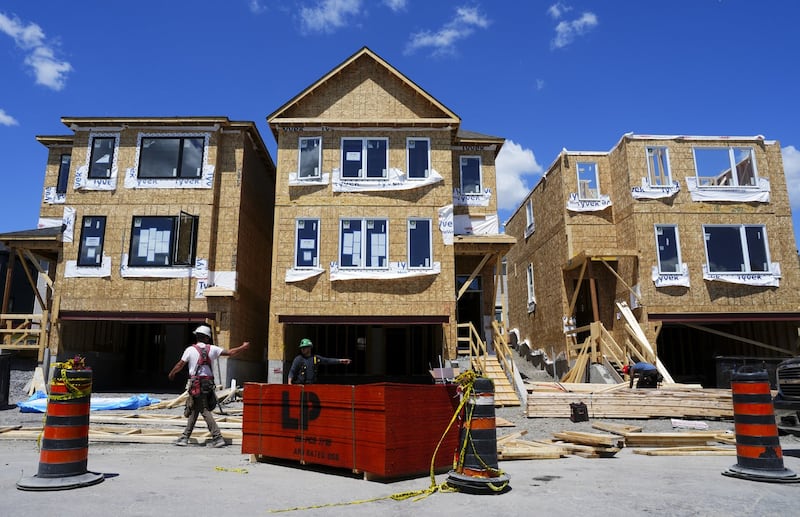
Gorman said Colonnade Bridgeport is also paying more for building materials, such as steel and concrete, so it does agree with the central bank’s strategy to keep core inflation under control.
The company is currently building 1,000 apartment units in Ottawa and has another 1,000 units slated for development next year.
After more than three years without a rate hike, Gorman said this increase is manageable, but he’s concerned this is the start of a new trend.
“If we had another 25, then another 50, then another 75 basis points increase coming along that would make things much more challenging.”
Homeowner Maria Mespolet told CTV News that her first reaction was “fear” when she heard about the interest rate hike. She’s facing more financial pressure after taking out a line of credit to buy her “dream home” while her current home has yet to sell.
“With the uncertainty it’s limited the number of people who are able to come out (and see the house) and are willing to take the risk at this time,” she said.
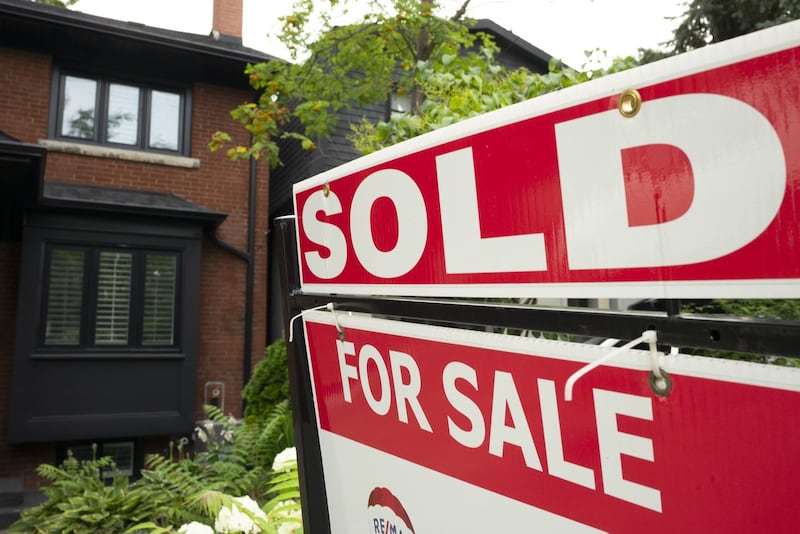
Mespolet’s real estate agent, Nella Zourntos, said homes are already taking longer to sell in the capital region compared to a year ago, despite lower prices.
“Right now the average days a house is on the market has climbed to 48 days,” said Zourntos.
“General consumer confidence is lower. They’re hearing about wars. They’re hearing about the rising price of gas. And they’re hearing about the rising cost of basket of foods … buyers aren’t getting off the proverbial fence as quickly.”
Zourntos said each client is different, but for the most part she’s advising potential buyers to get pre-approved for a mortgage rate as soon as possible.
“Now’s not the time to be stuck with a variable rate.”

