Promising to “unlock (Canada’s) full potential as an energy superpower,” the federal government unveiled its new Nuclear Energy Strategy on Monday, including its hopes to export more Canadian reactors and enable the construction of up to 10 new ones in Canada.
The 23-page strategy is structured around four pillars: enabling new builds, being a supplier and exporter of choice, expanding uranium production and nuclear fuel opportunities, and developing new nuclear innovations.
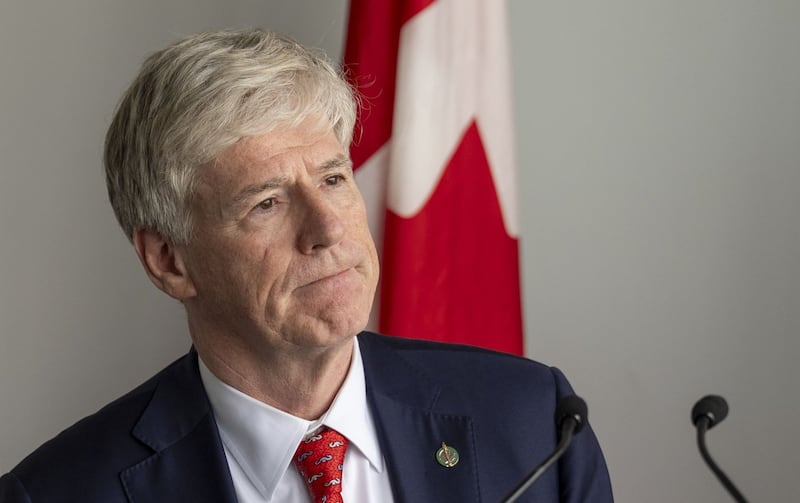
Making the strategy announcement in Newmarket, Ont., on Monday, Energy and Natural Resources Minister Tim Hodgson called the strategy a “co-ordinated targeted plan for the nuclear sector at home and abroad.”
“A plan that will mean new tools, new partnerships, new builds, and most importantly, a new civilian nuclear renaissance for Canada,” Hodgson said. “It’s a renaissance because this is not the start of something completely new. We are writing the next chapter in one of Canada’s greatest industrial success stories.”
The Liberal government signalled earlier this year that the strategy would be coming. It follows the release of its Clean Electricity Strategy last month, which aims to double Canada’s electricity grid by 2050.
“Nuclear energy is essential to powering Canada’s future,” reads a press release from Natural Resources Canada. “It provides non-emitting, dependable baseload power, backed by a strong domestic supply chain built on over 70 years of Canadian expertise, innovation and intellectual property.”
The document also includes a slate of key objectives, including to “ensure a modernized, cost-competitive CANDU (Canada Deuterium Uranium) design is available by 2030,” and to “enable construction of up to ten new large-scale reactors within Canada, with two under construction by 2035 and five more planned or under development by 2040.”
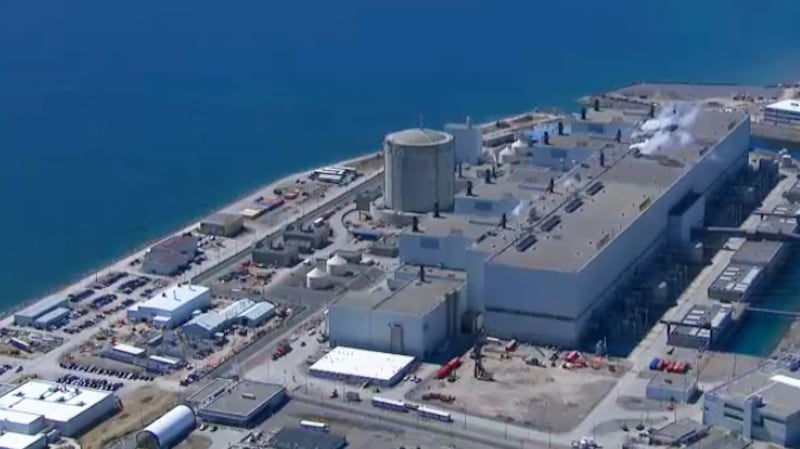
Citing it as an example of the type of project the strategy will help advance, the press release pointed to the Darlington New Nuclear Project, one of the 15 initiatives under the Major Projects Office.
Hodgson said the Darlington project will power 300,000 homes and sustain 3,700 jobs annually, including 18,000 jobs during construction.
“Canada has long been a nuclear leader — and we will continue to lead, under our new Nuclear Energy Strategy,” Hodgson wrote in a release ahead of the announcement. “Together with all members of Team Canada, we are taking action to ensure we have a co-ordinated, strategic approach to diversifying nuclear industry exports and bringing economic growth and security and affordable, reliable power to all Canadians.”
Asked during a question-and-answer period following his announcement how many new jobs the federal government anticipates the strategy will help create, Hodgson said the goal is to double the current size of the industry.
“Today, there are about 90,000 direct and indirect jobs in the nuclear industry in Canada,” Hodgson said. “We believe that as the provinces make their choices and roll out nuclear, that will lead to at least a doubling level of employment, so going from roughly 90,000 jobs today to 180,000 plus jobs in the coming decade.”
The strategy does not include any earmarked funding for specific projects or initiatives. In a technical briefing to reporters ahead of Hodgson’s announcement on Monday, a Natural Resources Canada spokesperson said the federal government has other avenues — such as the Canada Growth Fund and the Canada Infrastructure Bank — if a nuclear project needs funding, but that the type of capital investment in the aggregate that could be required could exceed $100 billion.
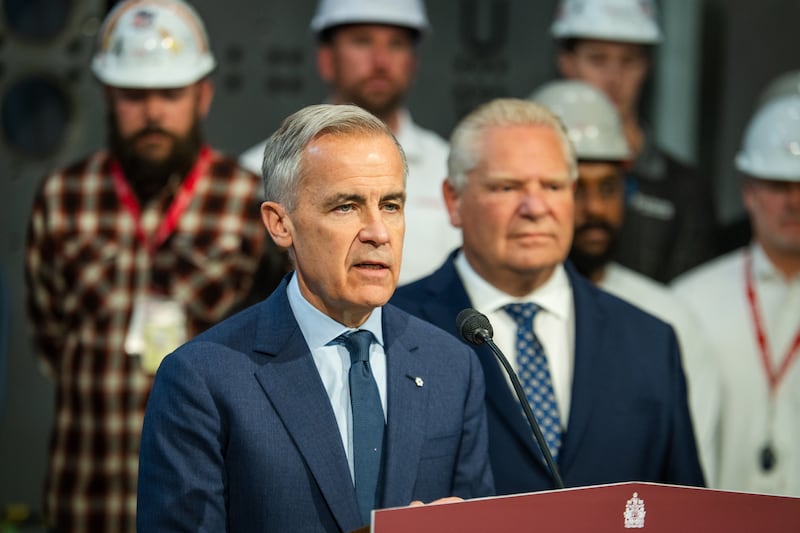
Prime Minister Mark Carney has not been involved in any part of the strategy’s development, according to Natural Resources Canada, because of a conflict-of-interest screen.
Asked about the conflict during the technical briefing, a Natural Resources Canada spokesperson said the prime minister “does not participate in any discussions or decisions that could inappropriately further the interests of a company listed on his ethical screen.”
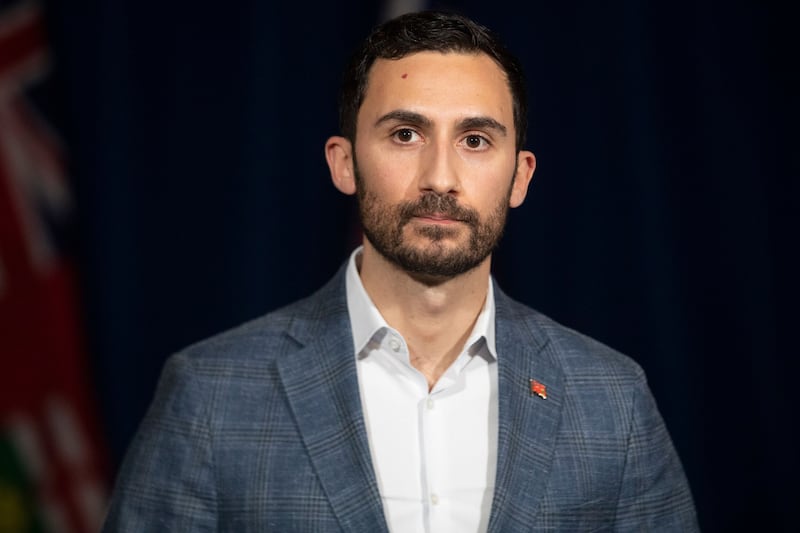
In a statement to CTV News on Monday, Ontario’s Energy and Mines Minister Stephen Lecce said the province believes nuclear power will be “a key driver of jobs, growth, and long-term competitiveness,” and that it has “long called for federal investment to build out the next generation of made-in-Canada nuclear energy.”
Lecce was with Hodgson for Monday’s strategy announcement.
Speaking to reporters on Monday ahead of Hodgson’s press conference, Conservative Leader Pierre Poilievre said: “an announcement will not build anything.”
“This is the problem we’ve had with the Carney Liberals, is their promises are being reported on as results, and so far there have been no results,” Poilievre also said.

