Gold miners are generating record margins and free cash flow despite volatility in bullion prices. Strong balance sheets have left the sector better equipped to withstand a prolonged period of choppy trading.
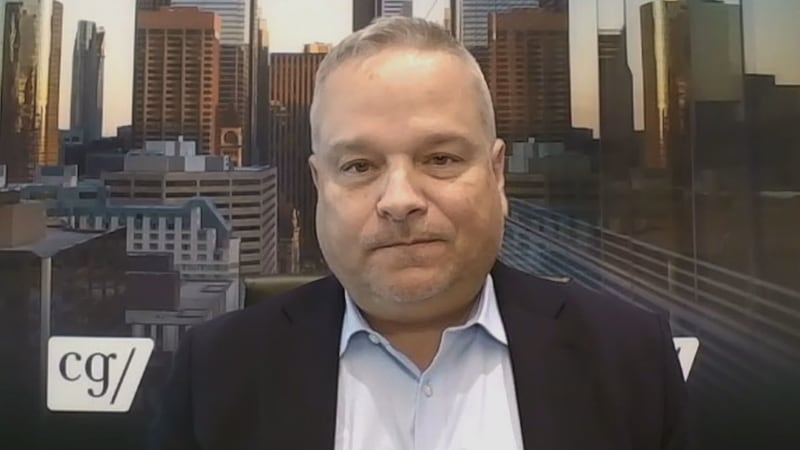
BNN Bloomberg spoke with Carey MacRury, analyst at Canaccord Genuity, about the forces supporting gold prices and the prospects for Agnico Eagle, Alamos Gold and Aris Mining.
Key Takeaways
- Central bank buying and declining demand for U.S.-dollar reserve assets could provide secular support for gold prices.
- Agnico Eagle is targeting production growth of 20 to 30 per cent by the middle of the next decade, primarily through lower-risk brownfield expansions.
- Alamos Gold plans to increase annual production from approximately 550,000 ounces in 2026 to one million ounces by 2030.
- Aris Mining could quadruple production through expansions and projects in Colombia and Guyana while funding its plans internally.
- Strong balance sheets, rising cash holdings and record shareholder returns have left gold miners better positioned than in previous downturns.
Read the full transcript below:
LINDSAY: It’s time now for Hot Picks, and today we are zeroing in on the gold sector. The precious metal has seen a bit of a rally this week on shifting geopolitical tensions, putting the sector back in the spotlight. For more on his top picks and gold in general, let’s welcome in Carey MacRury, analyst at Canaccord Genuity. It’s great to have you join us.
CAREY: Thanks for having me.
LINDSAY: So, it’s been so interesting to watch the price of gold really just throughout this year. Do you feel as though it has more room to run in the second half of 2026?
CAREY: We do. We think this pullback is temporary. Obviously, there’s concerns about the war driving oil prices, which drives inflation expectations, which drives the view that we’re seeing higher interest rates. But, you know, ultimately, we think what’s driving the gold price is central banks.
LINDSAY: It’s been interesting, too, to see gold miners, which have broadly underperformed spot gold year to date in 2026. What’s driving the disconnect between bullion and equities? And maybe you already see that closing, but when do you expect that to close?
CAREY: Yeah, I mean, I think if you look at, you know, we had a massive run in gold. I mean, we hit US$4,000 an ounce for the first time in October, and here we are 10 months later. We’re at US$4,000 an ounce, but at US$4,000 an ounce, this is a sector that’s still generating record margins, record free cash flow. We’re seeing record dividends, record buybacks. So, the industry is still very well positioned. So, I think once investors get comfortable that gold has stabilized, I think it’s an attractive sector to be in.
LINDSAY: And you’ve got some names that you find attractive today. So, we’ll get into those now. Agnico Eagle, this is the world’s second-largest gold producer after Newmont. Tell us what opportunities you see here for Agnico.
CAREY: Yeah, so Agnico, you know, in this downturn, I think it’s really underperformed here, and I think, you know, Agnico is one of the best operators, you know, in the gold space. They’ve got great assets. They’ve got a great balance sheet. You know, one thing that makes them different from their large peers is they do have a good growth outlook. They’re targeting 20 to 30 per cent growth by the middle of the next decade, which is, which we think is important. And frankly, you know, this growth is really driven by brownfield expansions, which typically are less risky than building brand-new mines. So, we like the growth profile. You know, it’s pulled back a lot, and we think this would be a good entry point for guys who want to get back in the market.
LINDSAY: Alamos Gold is your next one. It’s been an interesting year for Alamos Gold, but you say what you really like here is the growth story for this company.
CAREY: Yeah, so Alamos, they had a bunch of operational hiccups over the last 12 months. You know, we do think those are mostly temporary, but it has affected the share price. It has affected the valuation. But if you look at the big picture, you know, this is a great growth, great growth story. You know, they’re producing 550,000 ounces this year. They’ve got a plan to get to a million ounces by 2030, and despite that growth, we estimate they’ll generate over a billion dollars in free cash flow in 2027, and that number will grow as production will grow. And from a geopolitical standpoint, you know, 90 per cent—this is really a Canadian growth story. Ninety per cent of the asset value is in Canada, which we like.
LINDSAY: And obviously, with all three of these names that we’re going to be talking about today, how much does the price of gold, just in general, really affect plans? Like, you talk about Alamos Gold’s growth story, but if the price of gold goes down again, how much would that affect Alamos moving forward?
CAREY: I mean, obviously, it’ll affect the share price. But as a company, you know, these guys are well funded. They have a really strong balance sheet, and again, they’re making lots of free cash flow to fund their growth plans. So, you know, this story is not reliant on the gold price. So, whether it takes, you know, if the gold is—if the gold market’s choppy for the next little while, it really won’t affect their plans at all.
LINDSAY: Your last name is Aris Mining. This is one we don’t talk about as much. So, tell us more about this company in general. You say it’s an intermediate producer.
CAREY: Yeah. So, Aris Mining is a smaller company. They’re focused right now on Colombia. We think this is one of the best growth stories in our coverage universe. So, they’ve got two mines in Colombia that they’re currently expanding. Last year, they did 250,000 ounces. This year, we expect them to do more than 300,000, and by 2027, they should hit a 500,000-ounce run rate, so doubling their production in 2027. So, we think that’s an attractive story on its own. But then they have two further projects. One is called Toroparu in Guyana. We think that can get under construction in 2027, and that would take them above 700,000 ounces. And then they have a fourth project called Soto Norte, also in Colombia, which could take them to a million ounces. So, there’s not too many companies out there that can grow from 250,000 ounces to a million ounces over the next five or six years. And at the same time, this company is generating free cash flow. So, again, it’s self-funded, strong balance sheet. They don’t need external capital. So, we think this is a good story here.
LINDSAY: I know you said off the top that you feel monetary policy really has the biggest impact on the price of gold compared to, like, geopolitical tensions that we’re seeing around the world right now. Is that the same case for some of these companies in general as well, or what are some of the biggest headwinds for these companies moving forward, do you think?
CAREY: You know, we just put out a report yesterday, and I think, again, I mean, in typical downturns in the gold price, you know, these companies tend to get squeezed on their margins. They get squeezed on the balance sheet, and cash becomes an issue. But, you know, the industry is—it’s night and day where they are today versus where they were, you know, in the last cycle. So, most companies have net cash, and even at these gold prices, the cash balances are still rising. You know, they’re generating free cash flow, they’re buying back stock, they’re paying dividends. So, the industry never really has been better positioned than it is today.
LINDSAY: Some research flags, though, that gold’s 2026 price level may be unsustainable and could trend lower because of geopolitical inflation risks easing. Do you agree with that, or what’s your, what’s your argument there?
CAREY: I don’t agree with that. I mean, I think what is driving the gold price is central banks. You know, in simple terms, there’s US$18 trillion of central bank assets out there. Of that, gold is now almost 30 per cent, which is US$5.5 trillion. That number a decade ago was less than 10 per cent. So, the gold share of central bank reserve assets has been climbing, and the U.S.-dollar share of reserve assets has been, has been declining. Why is that? Obviously, you know, in the America First world, where, you know, we’re having trade wars, there’s geopolitical tension. You know, central banks are less—you know, there’s less desire to hold U.S.-dollar assets when the U.S. dollar can be weaponized against you. And at the same time, you know, gold’s share has been rising. You’ve also got concerns about the U.S. balance sheet. I mean, U.S. debt is now US$40 trillion. As a ratio of GDP, it’s higher than it was in the Second World War, and it’s growing by US$2 trillion a year. So, when you think about gold in that context, you know, we think these trends are secular.
LINDSAY: You’ve obviously highlighted a couple of Canadian names today. I wonder, how competitive are Canadian gold producers compared with their global peers at the moment?
CAREY: I mean, I think Agnico is a great example. Agnico, you know, has grown from a 250,000-ounce producer back in 2007 to becoming the second-largest producer in the world. Meanwhile, you know, Barrick has declined in production. You know, Newmont has also declined in production from where they were. So, I think Agnico shows that. You know, as a Canadian company, they’re showing leadership. They’ve grown their portfolio, and they’ve grown it accretively, and they’ve created value for shareholders for a long time.
LINDSAY: Obviously, the mining industry does face increasingly complex regulatory dynamics, though probably in Canada as well. Which jurisdictions do you feel carry the most regulatory risk?
CAREY: I think regulatory risk is something that affects the industry overall. I mean, clearly, you know, it takes longer to permit mines. It takes longer to build mines, and frankly, you know, from discovery to production, sometimes it can take 10 or 20 years. So, fundamentally, that’s good for the gold price. I think where Canada and countries like Australia and the United States, frankly, stand out is, you know, other countries in the world, we’re seeing increasing, you know, royalties and taxes on producers. Where I think in Canada, you know, if you build a mine, the regulatory regime is pretty stable.
LINDSAY: Okay, Carey MacRury, analyst at Canaccord Genuity. Appreciate you joining us. Thank you.
| DISCLOSURE | PERSONAL | FAMILY | PORTFOLIO/FUND |
|---|---|---|---|
| AEM TSX | N | N | N |
| AGI TSX | N | N | N |
| ARIS TSX | N | N | N |
---
This BNN Bloomberg summary and transcript of the July 24, 2026 interview with Carey MacRury are published with the assistance of AI. Original research, interview questions and added context was created by BNN Bloomberg journalists. An editor also reviewed this material before it was published to ensure its accuracy and adherence with BNN Bloomberg editorial policies and standards.

