The U.S. financial sector offers a window into business activity and consumer finances. Trading, initial public offerings, advisory work and credit trends help reveal the economy’s health.
BNN Bloomberg spoke with Keith Buchanan, senior portfolio manager at Globalt Investments, about his three financial stock selections and how he evaluates opportunities across banking and insurance.
Key Takeaways
- Profitable underwriting and investment income support Travelers’ appeal as a source of relatively stable earnings, Buchanan said.
- Travelers’ geographic reach helps diversify exposure to concentrated risks, including weather-related losses.
- Aflac faces pressure from rising Japanese interest rates and a weaker yen, but Buchanan said those concerns have also helped improve its pricing environment.
- Wells Fargo’s asset cap removal creates an opportunity to grow earnings and narrow its valuation gap with other major banks, provided it executes effectively.
- A flattening yield curve and economic deterioration are key risks for financial stocks, particularly because of their potential effect on traditional bank lending profitability.
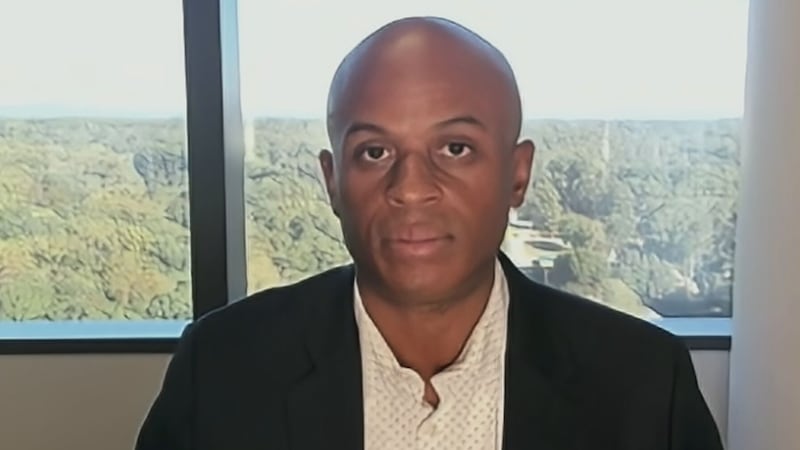
Read the full transcript below:
LINDSAY: It’s time now for Hot Picks, and our next guest has three financial companies on his radar. Let’s welcome in Keith Buchanan, senior portfolio manager at Globalt Investments. Great to have you join us once again. Thank you.
KEITH: Thank you.
LINDSAY: So, before we get into your actual picks, I always like to start with a broader look at the financial—at the sector. And this—today we’re talking about financials. What do you think is driving the financial sector right now? Is it one thing? Is it interest rates, earnings growth, the broader economy? Is it a number of things?
KEITH: I choose all the above. I think the financials is a unique space that really gives a glimpse into the window of many facets for our economy. We’ve seen interest rate volatility, trading, some anxiety among investors, also the IPO movement, and also the advisory businesses all really come together to kind of give a glimpse of business America and how small and midsize business are performing, but also some of the consumer elements, too, with credit cards and that, you know, some of the credit issues that—that are starting to bubble up here at the larger banks. We get a full view of—of the broader economy, which is interesting in covering the group on a day-to-day basis.
LINDSAY: Okay, so let’s get into your picks, then. The first one is Travelers. I know this—this company just also reported earnings. So tell us more about the opportunities you see—you see right now.
KEITH: Sure, Travelers is a company that really just is executing in a very high clip, not only from a, you know, writing profitable business, but also investment portfolios kicking in extra earnings that kind of just put the ice meal on the cake. The insurance business right now is one that—that gets left behind in moments like we’ve seen over the last couple of years. But in moments like we are right now, where there are several risks that investors are becoming more and more concerned about, the market really looks at some of these names as a very stable provider of earnings, which we think earnings will be kind of the balance of whether this market holds up over the next 12 to 18 months or whether there’s a bear market that ensues. And names like this will be more attractive the more the latter becomes a fear of the broader market. So Travelers is a name that we really feel like offers a lot to our clients’ portfolios right now.
LINDSAY: And it delivered a really strong third quarter. Like, what do you think was behind that performance?
KEITH: Again, just growing a profitable business. They—they’ve been able to move in P&C and property and casualty in a way that most smaller corporations haven’t been able to. They’re broader geographically, so they have been able to diversify from a lot of just really concentrated risks, whether it’s weather-related or otherwise. So, being bigger has been better, and they’ve been able to really execute it on an underwriting standpoint.
LINDSAY: Okay, Aflac, your next company for today, your next pick. Tell us more about this one.
KEITH: Sure, Aflac is a little different from Travelers. It doesn’t have, like, the best-of-breed allure to it. It has a, you know, of course, a big part of its business is in Japan, so we have to understand how currency really affects from a couple of different standpoints. But they’ve been executing a really more of a self-help story within the insurance space, smaller and, of course, you know, a different facet of the business. But, you know, Aflac has been able to perform extremely well from a stock standpoint, and we’re really—again, it really—we really appreciate what it offers our strategy going forward. For specifically within the financial space, where it’s really hard to find these more stable earnings growers without concerns about the economy declines over the next couple of years.
LINDSAY: Well, because Japan is one of Aflac’s biggest markets, right? Like, are they facing any pressure from the rising interest rates and a weaker yen?
KEITH: Yes, they are, but in an interesting, kind of ironic way, the fear that kind of comes up from that actually drives, from a pricing standpoint, better pricing environment in Japan. So that—that’s kind of helped them in a—in a really ironic twist of fate. So we really, from aspect of what it offers their business lines, you know, exposure to Japan is something we actually become to enjoy in these—again, some of these moments where we have a little more fear permeating the marketplace.
LINDSAY: Okay, your last pick for today is Wells Fargo. Tell us more about that.
KEITH: Again, another self-help story, but more on the major bank side. Without the asset cap now, they really have opened the door, and execution is the way they kind of drive value through that door. You get it at a discount that, frankly, has been warranted over the last several years. We feel like it might be a way to really drive shareholder value going forward. The earnings picture is much more clear now, and we feel like Wells has a diversification among its businesses and its geographies in order to drive that value going forward and close that valuation gap between Wells Fargo and the rest of the major banks. We feel like it’s a self-help story that’s earnings-driven and really has upside from here.
LINDSAY: I just want to go back to the general sector as well. Like, what’s the biggest risk—risk do you think financial stocks maybe face over the next even year or so?
KEITH: Sure. The biggest risk is a flattening yield curve that is—brings along the economic strain that a more distressed economy, even a recession, is among the more likely options. That’s not really baked in right now, but with the banks having so much market cap, the insurers and those names believe are having a market cap to continue to drive the space higher. That is the scenario that we’re going to in the 20—later 2027, maybe even 2028. So economic decline is obviously the risk there, and also, you know, a more flattening yield curve makes that—that book of business or the big banks and traditional lending business much more difficult to become profitable. So those are the concerns we have with the space going forward.
LINDSAY: Okay, we got to leave it there. Keith Buchanan, senior portfolio manager at Globalt Investments. Great to have you join us. Thank you.
| DISCLOSURE | PERSONAL | FAMILY | PORTFOLIO/FUND |
|---|---|---|---|
| TRV NYSE | N | N | Y |
| AFL NYSE | N | N | Y |
| WFC NYSE | N | N | Y |
---
This BNN Bloomberg summary and transcript of the Oct. 22, 2026 interview with Keith Buchanan are published with the assistance of AI. Original research, interview questions and added context was created by BNN Bloomberg journalists. An editor also reviewed this material before it was published to ensure its accuracy and adherence with BNN Bloomberg editorial policies and standards.

