Rare disease treatments offer a specialized area of opportunity within U.S. biotechnology. Assessing these stocks requires a close look at the path from drug development to commercial use.
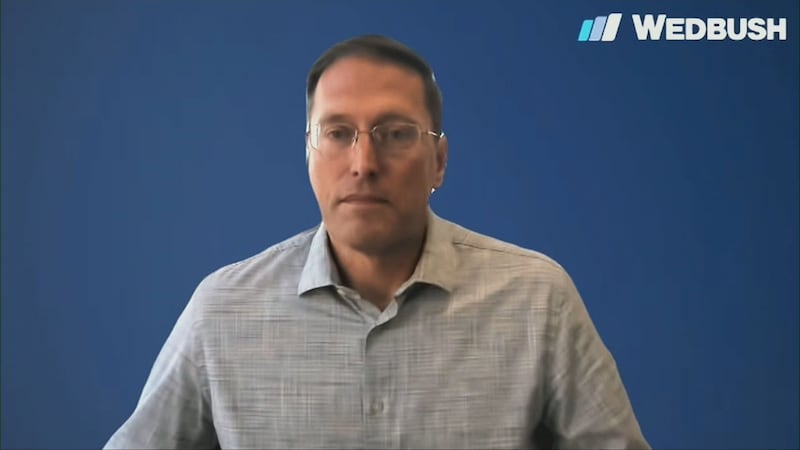
BNN Bloomberg spoke with David Nierengarten, senior analyst at Wedbush, about his investment case for Scholar Rock, Disc Medicine and Hemab Therapeutics.
Key Takeaways
- Scheduling patients for infusions can delay revenue during a drug launch, which Nierengarten argues helps explain recent weakness in Scholar Rock shares.
- Disc Medicine anticipates a U.S. Food and Drug Administration decision on bitopertin by mid-2027, with a potential launch dependent on approval.
- December’s American Society of Hematology meeting will bring research updates on experimental treatments for anemia, iron regulation and bleeding disorders.
- Hemab has initiated its Phase 3 SOLARA trial of sutacimig for Glanzmann thrombasthenia, a rare disorder that can cause severe bleeding.
- Clotting events in earlier sutacimig testing make safety an important consideration as Hemab evaluates a lower dose in its pivotal trial.
Read the full transcript below:
ROGER: Time for Hot Picks, and our next guest covers the biotech sector. Let’s bring in David Nierengarten, senior analyst at Wedbush. David, thank you very much for joining us today.
DAVID: Thank you, Roger.
ROGER: Okay, I love the name of this because I’m going to Schoolhouse Rock, Scholar Rock. It’s close, but Scholar Rock. What does it focus on? What do you — what are you liking there?
DAVID: Yeah, so Scholar Rock is launching a drug, Isembyld, in patients with SMA, spinal muscular atrophy. It’s a rare neuromuscular disease. It’s really terrible. Affects children. Their drug builds up muscle in these patients who otherwise lose it and lose function over time. They’ve just — in the, you know, first inning of a launch here, and I think it’s been misunderstood with the stock selling off a little bit recently. What’s misunderstood here is it’s really just a mechanical issue of getting patients scheduled for infusions, you know, before they see revenue, and everything else is in place. Patients are identified, payers cover the treatment. You know, it’s just literally a matter of getting these patients into an infusion centre to start treatment, and then reimbursement will start coming in in the next couple quarters. So I think it’s an opportunity to buy it here on that kind of a misunderstanding or an air gap, you know, in, in the beginnings of this drug launch.
ROGER: All right. Now, it had some issues in Europe on a launch there.
DAVID: Not in Europe. It had some issues in the U.S. with a manufacturing delay related to a contract manufacturer, Catalent, in Indianapolis that just couldn’t get their act together in terms of manufacturing their drug. They did have a backup site, and that’s where the drug is currently being manufactured, and they did get approved, of course, in, in the U.S.
ROGER: Okay, next up, Disc Medicine.
DAVID: Yep. So Disc is a drug about — or company about to launch a drug in a different rare disease that affects hemoglobin buildup in, in, in sunlight, or metabolite actually buildup in sunshine. But anyway, the — they should be filing for approval for that rare disease by the end of the year, and it should be on the market by the middle of next year. It’s a, it’s a attractive market of just a few thousand patients, but it should be a high-priced drug with, you know, billion-plus opportunity. They also have a couple other drugs in the pipeline that we’re going to be seeing updated data for at ASH, the hematology — annual hematology meeting in December. And I look forward to those, you know, updated data, you know, providing some uplift for the stock here in terms of treating diseases of iron overload or lack of iron in terms of anemia related to other conditions for their pipeline products.
ROGER: All right, and I’m just like, is it running still no revenue from it?
DAVID: No revenue yet, but again, they should be launching their first drug around the middle of ’27. The drug is called bitopertin, and it treats a rare protoporphyria. It’s a tough one to pronounce, but it’s a rare disease that affects patients’ ability to go out into sunlight.
ROGER: All right, and what other — what other things might be coming down the pipeline from it?
DAVID: Yeah, in the pipeline, I will see the updates at ASH meeting in December. One is to treat the anemia related to myelofibrosis, which is another rare blood disorder, and the current treatments for myelofibrosis cause anemia, and so their drug can correct that in patients. And then they have another pipeline product that treats the opposite: iron overload. So patients absorb too much iron; it causes problems with liver, you know, and blood cell production, and so we’ll see updated data on that. Hopefully, reducing those otherwise toxic levels of iron in patients’ blood.
ROGER: Okay, and the third one is Hemab Therapeutics. Is that — is that the right word to pronounce it?
DAVID: Yeah, Hemab. Yeah, we’re still on the blood theme here, so they’ll have updates, multiple updates. They have three programs in the clinic. They’ll have a couple updates at ASH and another update in early ’27. But they treat bleeding disorders, patients who have multiple — you know, there’s multiple bleeding disorders in the world, you know, hemophilia being the classic example. But these are different bleeding disorders that are also rare, but, you know, affect, you know, a few thousand patients around the world. But what I like about this is, you know, their drugs have — candidates have already showed early efficacy, and it’s a relatively straightforward study, you know, for further — for the additional data points. Does a patient bleed or not? You know, it’s, it’s pretty obvious output. So, you know, I think we should get clear answers for the efficacy of their programs over the next six to nine months.
ROGER: And that’s SOLARA.
DAVID: Oh, the SOLARA study. Yes. Yeah, the SOLARA. Yes. Yeah. Yeah. So —
ROGER: Sorry. Go ahead.
DAVID: Yeah, they’re entering Phase 3. Sorry, in the SOLARA study for their lead drug, sutacimig, and that is a — it’s a rare bleeding disorder. It’s pretty devastating for patients. Glanzmann thrombasthenia, you know, with patients have multiple, you know, bleeds, you know, trips to the hospital, very difficult to stop the bleeding. You know, little nosebleeds turn into, you know, literally, you know, a week in the hospital, and so we should be seeing additional data from the early study at ASH in a month, and then we’ll — they’re beginning their Phase 3, which should again read out probably later ’27, early ’28, to, you know, give the pivotal data.
ROGER: Any concern with safety signals in the studies?
DAVID: Yeah. So one of the problems with encouraging blood to clot is getting, you know, clots when you don’t want it, and they did see a couple clotting events in the Phase 1/2. They’re going forward in the Phase 3 with a little bit lower dose, and so we don’t expect the clots to be significant. They weren’t significant in the Phase 1/2, but obviously reducing the dose should reduce any occurrence of unwanted clots.
ROGER: Okay, David, we’ll wrap it up there. But thank you very much for joining us.
DAVID: Thank you.
ROGER: David Nierengarten is senior analyst at Wedbush.
| DISCLOSURE | PERSONAL | FAMILY | PORTFOLIO/FUND |
|---|---|---|---|
| SRRK:NASDAQ | N | N | Y |
| IRON:NASDAQ | N | N | Y |
| COAG:NASDAQ | N | N | Y |
---
This BNN Bloomberg summary and transcript of the Nov. 12, 2026 interview with David Nierengarten are published with the assistance of AI. Original research, interview questions and added context was created by BNN Bloomberg journalists. An editor also reviewed this material before it was published to ensure its accuracy and adherence with BNN Bloomberg editorial policies and standards.

