ADF Group has landed the largest contract in its history, a $602-million deal to help build a semiconductor plant in the northeastern U.S.
BNN Bloomberg spoke with Jean-François Boursier, chief financial officer at ADF Group, about how an earlier investment in robotics helped the Quebec steel fabricator win the contract.
Key Takeaways
- ADF expects to handle about 70 per cent of the steel fabrication volume for the 18-month project through its automated line.
- Boursier estimates the project will add about 20 jobs over the next few months.
- The project will use three of 10 fabrication bays at the Terrebonne, Que., plant, leaving seven available for other work.
- The client will cover all tariffs on the project, and the contract will be adjusted if tariff rates change.
- The award pushed ADF’s order backlog above $1 billion.
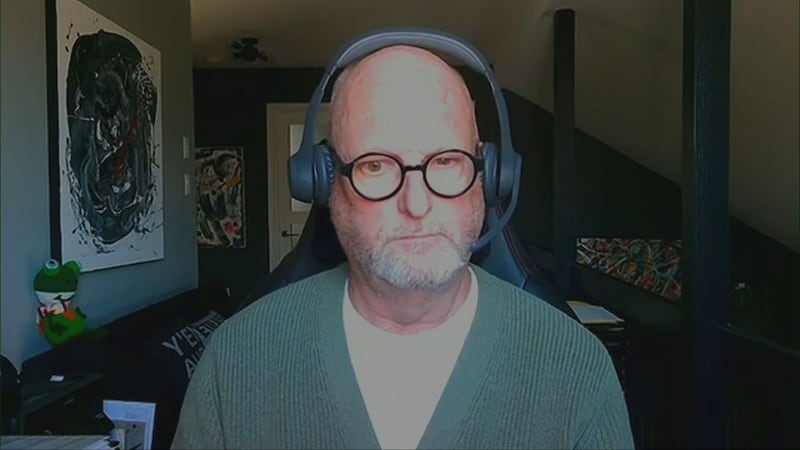
Read the full transcript below:
AKSHAY: Welcome back to Morning Markets. I’m Akshay Tandon. ADF Group recently announced its largest contract to date, a $602-million deal to support the build of a large semiconductor facility in the U.S. It’s pushed the company’s backlog to over a billion dollars. Joining us now to give more detail on this project and what it means for the company’s future is Jean-François Boursier, chief financial officer at ADF Group. Good morning, and thank you for your time.
JEAN-FRANÇOIS: Good morning.
AKSHAY: $602 million is the largest contract in the company’s history. What gave this Quebec fabricator the edge to win a U.S. semiconductor project?
JEAN-FRANÇOIS: Well, over the years, ADF has built a position in, in North America and especially in the U.S. as a specialized steel fabricator. We’re well known for the work we’ve done on complex projects, fast-track projects. Four years ago, we’ve also invested approximately $30 million Canadian at our Terrebonne, Que., fabrication plant to automate a portion of the fabrication and set up a robot, a steel fabrication robot, that definitely provides us with a competitive advantage in, in, in doing work on a fast-track project. So specifically for this project, we had the capacity, the engineering know-how, the — and also the equipment to be able to meet the extremely tight and fast-track schedule for this specific project. That obviously put us in an advantage of finalizing this, this contract.
AKSHAY: Yeah, let’s talk about that because we understand the project is expected to last only 18 months, and you have to deliver such a huge size of this project. So, and you are confident you’ll be able to deliver?
JEAN-FRANÇOIS: Yeah, well, we had a conference call yesterday with the, with analysts and the media, and what we confirm and what Jean Paschini, our CEO, mentioned is that approximately 70 per cent of the volume will be, will be able to manage through our automated process. So it is a lot of volume, but we can actually further utilize this automated line, which we will do. So, takes some pressure off having to hire the required resources that would have been needed to do this. There’s so much volume in that such a short period of time, so yeah, we’re comfortable. It is a huge mandate, but we’re comfortable that we’ll be able to meet the requirements from our client.
AKSHAY: You know, those who are watching this, they’re looking at the company investing millions and millions to tool up for this particular project. So will it also reflect in jobs for Canadians?
JEAN-FRANÇOIS: Well, there will be increase in jobs. Obviously, support on the shop, as I mentioned, a lot of the volume going through the robot. The requirement from labour standpoint will not be as significant as if all the material, all the fabrication would have been done manually, but still we will, we will see some jobs.
AKSHAY: How many is that? An estimate increase?
JEAN-FRANÇOIS: Not so far. It’s probably around the 20-ish. Not that significant, but that, that should happen over the next few months.
AKSHAY: I’m curious, though, since we’re discussing how you’re investing so many millions into this project. Let’s talk about capacity here. Once it’s running at full tilt, how much capacity will you have left to sort of bid on other major projects? Because, as we said, this is only 18 months, so …
JEAN-FRANÇOIS: No, exactly. Well, Terrebonne, our Terrebonne facility, it’s 600. It’s 630,000 square feet of fabrication, of covered area. It’s 10 fabrication bays. The project itself, with the automated bay, two other bays will be utilized for, specifically for that project. So we still have seven bays available for other projects that are presently ongoing or to be signed. That’s without even talking about our Great Falls, Mont., plant that has its own business and has also some availabilities. And in September 2025, we acquired Groupe LAR, which is also doing steel fabrication, but more so on the hydroelectric side of things, which are located — the LAR is located in the, the Lac-Saint-Jean region in Quebec. So we have our other facilities. We have room also to capture additional volume in Terrebonne. So, OK. It’s obviously a big, a big project. Will take a lot of hours, but there won’t be any impact on the projects we presently have in our backlog, nor reduce our, our capacity to add other projects to our backlog in the coming months and quarters.
AKSHAY: So we have just about 40 seconds left. If you could, tariffs is a huge concern. You deal in a lot of steel. How are tariffs impacting this deal?
JEAN-FRANÇOIS: Well, for this specific job, our client is assuming all of the tariffs. So if these change over the next few weeks, months or whatever, if they go up or if they go down, the contract will be amended accordingly. So it’s really a pass-through. All the tariffs are absorbed by the client, so there’s no impact for ADF. And I think it’s a testament to what we’re able to do and the fact that we will be able to meet the schedule, which was really important for that specific client.
AKSHAY: OK, we leave it at that. Jean-François Boursier, chief financial officer at ADF Group. Thank you for your time. Appreciate it, sir.
JEAN-FRANÇOIS: My pleasure.
---
This BNN Bloomberg summary and transcript of the Nov. 20, 2026 interview with Jean-Francois Boursier are published with the assistance of AI. Original research, interview questions and added context was created by BNN Bloomberg journalists. An editor also reviewed this material before it was published to ensure its accuracy and adherence with BNN Bloomberg editorial policies and standards.

