Investors are reacting to renewed hopes of a diplomatic breakthrough in the Middle East, with oil prices retreating and equity futures climbing as traders anticipate easing pressure on global energy supplies and inflation.
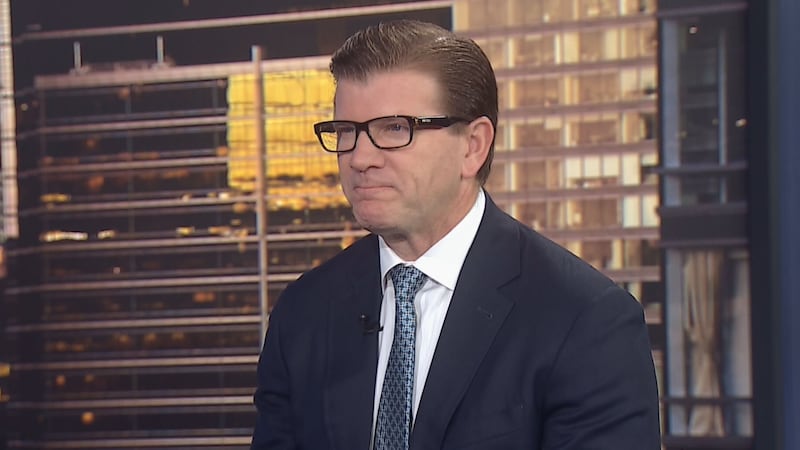
BNN Bloomberg spoke with Allan Small, senior investment advisor at the Allan Small Financial Group with iA Private Wealth, about elevated valuations in Canadian bank stocks, investor concerns over protecting gains and why technology shares continue to lead equity performance.
Key Takeaways
- Investors are increasingly optimistic that diplomatic progress in the Middle East could help reopen the Strait of Hormuz and stabilize energy markets.
- Falling oil prices are improving sentiment around inflation and supporting gains in equity futures.
- Canadian bank earnings are expected to remain solid, though valuations in the sector appear historically expensive.
- Technology and semiconductor companies continue to drive a disproportionate share of earnings growth and equity gains.
- Investors looking to protect gains should focus on rebalancing portfolios rather than attempting to time a potential pullback.
Read the full transcript below:
ROGER: And of course, investors are closely watching developments in the Middle East. That’s what everybody’s doing right now, after U.S. officials said they may be close to a deal that could help de-escalate the conflict and reopen the strait. Markets appear to be pricing in some optimism, with oil prices falling and equity futures moving higher on hopes that energy supply disruptions could ease. Joining us now to discuss it all is Allan Small, senior investment advisor at Allan Small Financial Group with iA Private Wealth. Allan, thanks for coming in. Always a pleasure, sir.
ALLAN: Good morning.
ROGER: On a Monday morning, with the sun shining here in Toronto, which is always nice.
ALLAN: Always nice.
ROGER: And the sun shining on the markets right now too, isn’t it?
ALLAN: Yeah, absolutely. And over the weekend we saw futures reacting late last night, even though the U.S. markets are not open, obviously, on the news that they’re getting closer to a deal now. We’ve heard this many times before. It’s funny to see the market still, I guess, gain some momentum off that news. But I think overall you have that positive news. Perhaps you have the tech trade, which continues to just boom ahead. AI and AI companies continue to report great earnings. We just got earnings from Nvidia last week. The tech space is really driving the bus. And as you just mentioned, even here on the TSX, tech is doing well as well. Celestica is a name that comes to mind that continues to do well.
ROGER: So, have investors just baked in that this is going to end eventually? Iran — like, it’s literally over here — but it’s going to end, whether these talks happen or not. We’re going to get to some point where it’ll finish.
ALLAN: Well, I think you have to.
ROGER: Do something on earnings and everything else is dry.
ALLAN: Absolutely. I think right now investors are saying this will end at some point. Obviously, there’s a lot of oil out there, a lot of reserves that countries have been tapping into — China, Japan, countries like that. The price of oil has been moving up over the last little while. We had the latest inflation reading, and core inflation is still not moving up as much as what we’re seeing on the headline number, which is a good sign. So that means, for the most part, higher oil prices have not seeped into other parts of the economy, although I anticipate they will in the coming weeks.
So I think there definitely is a push to get something done one way or the other, either as the president says it’s going to get done, whether we have a great deal or not a deal at all — in which case, I guess they’re ready to go back to war. So I think investors would rather have the deal, obviously. We’d all rather have some sort of deal, but we’ll have to see what happens.
ROGER: And inflation is a big thing, especially for Trump, with the midterms coming up. He’s promised he would lower prices, so he doesn’t want to see inflation rise, and the same goes for rates too. Right now though, there’s not much room for a rate decrease in the U.S., is there?
ALLAN: No, not much at all. And we’re seeing the 30-year at the highest level since 2007 in the U.S. The 10-year has also been creeping up, although it has come down a little bit recently on the positive headlines out of the Middle East.
But yeah, higher bond yields, higher oil prices, higher inflation, higher costs in general — not good, obviously, for Republicans going into the midterms in the next six months or so. They want to see a deal get done, but at the same time they don’t want to just say, “Okay, any deal.” No nuclear weapons obviously is what they started this whole campaign with respect to, and I don’t think they’re going to move off that. Iran keeps saying they’re not going to give up the uranium, so they’re at a standstill.
For me, it’s difficult to see how they move forward, but according to what we’ve heard, the framework for a deal is in place. They’re just working out the minor details now, so we’ll have to see.
ROGER: All right. In Canada, the big one this week, of course, is the banks. They’ve been going gangbusters again.
ALLAN: Yeah, and it concerns me a little bit. You know, you’re seeing bank stocks like Royal and TD trading at 15 or 16 times forward earnings. For me, that is high. There’s no doubt about that. All the yields now are way down — around three per cent, under three per cent for some of them.
So for me, it’s tough to get behind the banks at this point. I think you’re going to see good earnings from them. I think they’re going to say they’ve increased their allowance for bad debts. They’re going to say loan growth has continued to slow with the slowing economy here in our country. But I think wealth management and capital markets are going to bode well for the banks, and I think they’re going to come up with a good quarter.
But the question is: Is it good enough? I think the bar has been set really high. I have not purchased, or put any more money to work, in our banks. I’ve actually looked at U.S. banks, which have sold off — names like Wells Fargo, trading near 52-week lows, actually down about 20 per cent from the highs.
I’ve looked there more so than our big banks here, because our banks have just been powering ahead — all-time highs, new highs seemingly every day. CIBC, BMO, Royal. So it’s tough to get behind them, or buy new positions at this point. I’m not saying you sell them, but I don’t think you’re putting new money to work in those banks.
ROGER: What would you want to see to make them attractive?
ALLAN: I’d like to see one of two things: either earnings significantly move higher to bring down their multiples, or see a bit of a dip. Right? I think you buy on the dip, of course, as we’ve done over many, many years.
But it’d be nice to see if their multiples could come down a little bit, and that would only happen if we see significant growth, which I don’t anticipate right at this moment, especially with our country growing GDP around one-and-a-half per cent.
ROGER: And I want to get your thoughts. What do you think with Carney heading down to New York? What does he tell people down there, because we’ve got all this new drama unfolding out west? What kind of questions do you think he’s going to get, and what’s he going to answer?
ALLAN: Well, I think he’s going to get the same questions he’s been getting for a while now. What’s going on with the trade negotiations? Can you build a pipeline to get that energy to the coast? The same questions I think we’ve been hearing for years now.
He’s going to tout all our commodities and natural resources as the place to invest money and bring business to our country. I’ve heard recently from the premier, from Vic Fedeli himself, about bringing $35 billion of new business to Ontario last year.
Obviously, things are a little more difficult this year with trade negotiations and the conflict in the Middle East. But I think they’re going to say this is the place you want to be: stable growth, stability in a world where it’s not stable. I think that is what they know about.
ROGER: We have Alberta saying we’re going to have a referendum question. Will that play at all down in the States, or will they not even hear it?
ALLAN: I don’t know if it’s going to play much in the U.S. We’ve heard rumblings of a referendum for a while, whether it was Quebec or now Alberta. I think they’re going to focus on potential opportunities here in natural resources. I think that is what our government is going to push, and we have it here. Why not sell it, especially with all the uncertainty out of the Strait of Hormuz?
Why not come to our shores and get the oil from us versus taking a chance in the strait? So I think that’s what they’re going to push.
ROGER: All right, going to wrap it up there. Always a pleasure, Allan. Thanks for joining us.
ALLAN: Thank you.
ROGER: That was Allan Small, senior investment advisor at Allan Small Financial Group with iA Private Wealth.
---
This BNN Bloomberg summary and transcript of the May 25, 2026 interview with Allan Small are published with the assistance of AI. Original research, interview questions and added context was created by BNN Bloomberg journalists. An editor also reviewed this material before it was published to ensure its accuracy and adherence with BNN Bloomberg editorial policies and standards.

