Rising bond yields are putting inflation risks and the possibility of another U.S. Federal Reserve rate hike in focus. The pressure extends beyond the U.S. as borrowing costs rise globally.
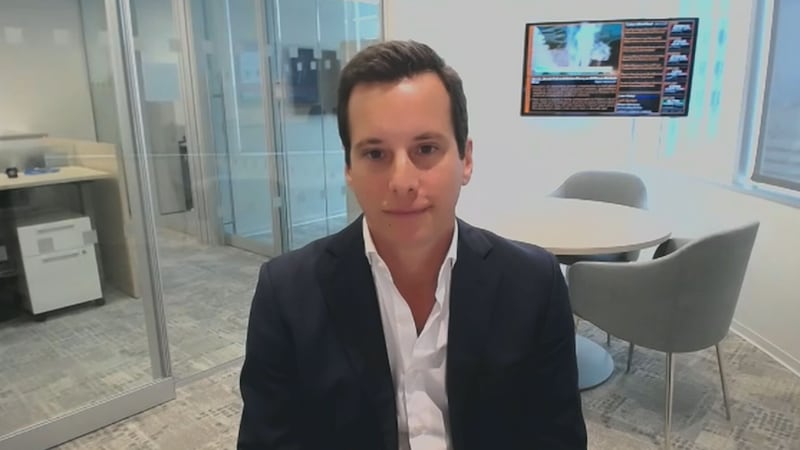
BNN Bloomberg spoke with Franco Estrada, managing director and private wealth adviser at UBS Global Wealth Management, about the investment backdrop heading into the fourth quarter and how he is approaching portfolio decisions.
Key Takeaways
- Heavy Treasury issuance and fiscal deficits are driving U.S. bond yields higher, according to Estrada.
- Returns on cash are becoming more attractive, while corporate credit spreads remain tight despite rising rates.
- AI infrastructure opportunities include power grids, electrical equipment, cooling, copper, select utilities, networking and optical infrastructure.
- Durable cash flows, strong balance sheets and earnings visibility guide a quality-focused approach across sectors and regions.
- Large unrealized gains in concentrated portfolios are prompting discussions about diversification, tax-loss harvesting and individual tax strategies.
Read the full transcript below:
ROGER: High energy prices are pushing up bond yields, with the U.S. 10-year Treasury climbing to its highest level since 2002. This leaves investors reassessing inflation risks and a possible rate hike from the U.S. Fed. Let’s get more now from Franco Estrada, managing director and private wealth adviser at UBS Global Wealth Management. Franco, thank you very much for joining us today. Let’s talk about the bonds. I want to get right into it. What’s driving them?
FRANCO: Look, thank you, Roger, for having me. I appreciate it. So, this is, this is a very interesting environment that we’re having seen right now with fixed income. You have the 10-year, just like you said, at 5.3, 30-year at 5.6. We’re seeing the biggest, you know, Treasury issuance that we’ve seen ever at $31.8 trillion just in 2026. If you compare that to 2016, it’s more than double, from $13 trillion in 2016 to over $31.8 trillion so far this year. So, it’s basically those two things: heavy issuance and fiscal deficit that’s driving this. For the first time, my team and I, that are talking to clients all day long, we’re seeing and we’re looking that we’re getting compensated for keeping cash on the sidelines. So, it’s a, it’s something that we’re recently starting to look at with clients right now.
ROGER: All right, and this is being felt everywhere. It’s not just the U.S. It’s Canada and elsewhere too, is it not?
FRANCO: Yeah, it is. It is a global phenomenon.
ROGER: And what kind of an impact, then, is this having on corporate bonds, and is it putting pressure on them as well?
FRANCO: It is. We haven’t seen that yet. I mean, the spreads are still pretty tight when it comes to credit. You’re starting to see rates go up, and that is sort of like the first, you know, consequence of this, you know, higher inflation. Maybe, you know, we’re expecting rates to rise in December again, but we still haven’t seen a, you know, spread widening that, you know, should happen if things deteriorate. So, we’re just looking right now, keeping cash short term. We’re not looking into fixed income yet.
ROGER: All right, and SpaceX, we’re hearing word today they’re looking to raise $40 billion to buy Nvidia chips. They’re looking at Europe as a possible source. Is that, what does that tell you? Is that a different approach, or are they being forced to?
FRANCO: No. I think, look, this is a typical example of the best example that we’ve seen so far of the physical constraints of AI, the physical infrastructure that we’re seeing not only with SpaceX and compute, but we’re also seeing it with, you know, Google locking in, you know, long-term nuclear power, and then with power, and then you have Intel as well with a semiconductor. So, you’re seeing all of three stories being three layers of the same AI, massive, massive physical infrastructure happening right now.
ROGER: And overall, the AI build-up, does it still seem sustainable? Where do you see opportunities with it?
FRANCO: Look, I think we’re talking to clients, and we’re looking into the physical AI enablement layer. That is sort of like the nuts and bolts behind AI: the power and grid, electrical equipment and cooling, selected materials like copper, for example, select utilities, sectors that I feel have been obscure at the moment. So, those are the opportunities that we’re looking at. We’re trying to be sector agnostic, Roger. We’re trying to maintain quality filter that is based on companies that have durable cash flows, strong balance sheets and also earnings visibility. We’re trying to look for companies that have forward P/E economics. You know, companies that will not be affected by a higher interest rate environment.
ROGER: And where are you find? Are there sectors that you’re finding that, or is it across the board?
FRANCO: Look, again, trying to be geographical agnostic, sector agnostic. That physical AI layer, I think it’s one that we’re looking at without getting into specific names. That’s a sector that we like, of course. After looking at the quality filter, there’s also networking and optical infrastructure. It’s not only about AI physical infrastructure, but there’s also the networking side. So, we’re looking into that sector as well.
ROGER: And going into the final quarter, what are you seeing for potential either headwinds or tailwinds for it?
FRANCO: Look, looking into Q4, we that are having calls with clients all day long. I, it’s, you know, it’s a time to look at tax-loss harvesting, tax management strategies. We’re finding that, for the first time, we’re seeing generational returns. You know, we have clients that have massive positions and have huge unrealized gains in concentrated positions. So, it’s a, it’s a dilemma that we’re seeing because from, on one end, it’s been a great run. On the other end, it’s, you have to decide if you want to diversify, paying taxes, or stay concentrated.
ROGER: And those aren’t bad things to have to think about, though, are they?
FRANCO: No, they’re not. They’re not.
ROGER: What’s, is there? Is there one way or the other that, or is it just, does that really boil down to just individuals?
FRANCO: It boils down to individuals. We’ve seen more than ever portfolios that just have heavily concentrated positions, and this is a conversation that it feels like it’s been recurring in the past few years. Two, three, one year ago, it’s always been the same. Is that you want to stay away? You want to keep concentrated and just, you know, have a massive amount of your portfolio be one of these Mag 7s, or do you really want to look into something that might be or show a better opportunity and at the same time diversify? That is a case-by-case basis, but it’s something that we’re seeing more and more when we talk with our clients.
ROGER: Okay, Franco, we have to wrap it up there, but always appreciate your insight. Thanks for joining us.
FRANCO: Thank you, Roger.
ROGER: Franco Estrada, managing director and private wealth adviser at UBS Global Wealth Management.
---
This BNN Bloomberg summary and transcript of the Oct. 7, 2026 interview with Franco Estrada are published with the assistance of AI. Original research, interview questions and added context was created by BNN Bloomberg journalists. An editor also reviewed this material before it was published to ensure its accuracy and adherence with BNN Bloomberg editorial policies and standards.

