Christopher Liew is a CFP®, CFA Charterholder and former financial advisor. He writes personal finance tips for thousands of daily Canadian readers at Blueprint Financial.
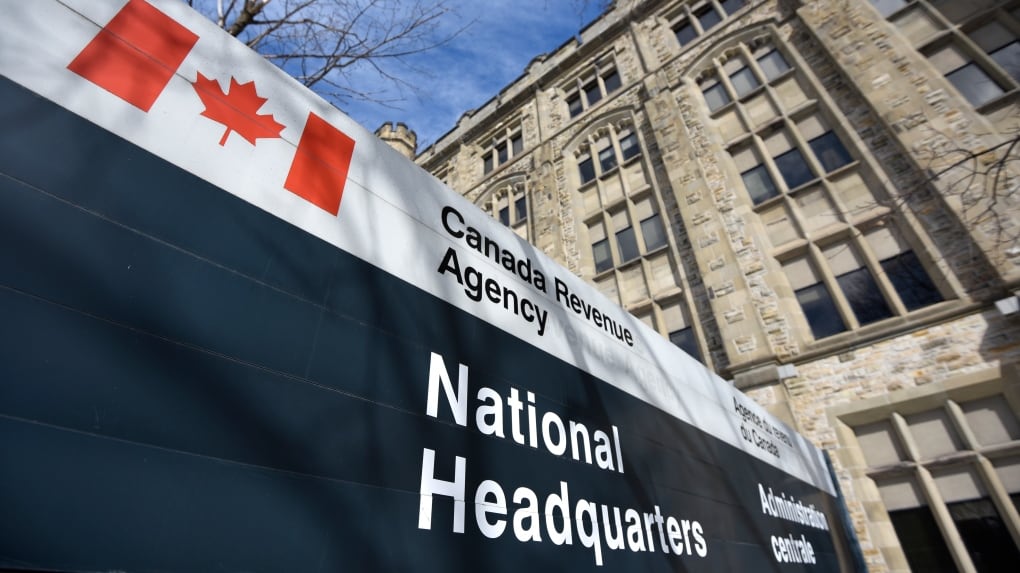
The April 30 tax deadline is less than a month away, and if you owe money to the Canada Revenue Agency (CRA), filing late gets expensive fast. With household budgets already stretched by rising energy costs and trade uncertainty, the last thing you need is the CRA adding penalties on top.
One trap for self-employed Canadians: you have until June 15 to file, but any taxes owing are still due April 30. As an expert recently told CTV News Ottawa, the clock is ticking.
Below, I’ll break down what the CRA actually charges when you miss the deadline, what happens to your benefits, and how to limit the damage.
1. The late-filing penalty adds up quickly
If you owe taxes and miss the deadline, the CRA charges a late-filing penalty of 5 per cent of your balance owing, plus an additional 1 per cent for each full month your return is late, up to 12 months. On a $5,000 tax bill, that’s $250 on Day 1, and it climbs to $850 if you’re a full year late.
Here’s where it gets worse. If the CRA charged you a late-filing penalty in any of the previous three tax years and issued a formal demand to file, the penalty doubles: 10 per cent of your balance owing, plus 2 per cent per month, up to 20 months. That can push a relatively small tax bill into serious territory.
The most important thing I can tell you is even if you can’t pay the full amount, file your return on time. Filing on time but paying late means you avoid the 5 per cent penalty entirely. You’ll still owe interest on the unpaid balance, but the interest is far cheaper than the penalty.
2. Interest compounds daily
On top of penalties, the CRA charges compound daily interest on any unpaid taxes starting the day after the deadline. The current prescribed interest rate on overdue taxes is 7 per cent, and it’s been sitting there for four consecutive quarters.
That might not sound dramatic, but compound daily interest means your balance grows every single day, and the interest itself earns interest. On a $10,000 balance, you’re looking at more than $700 in interest over a full year, on top of whatever penalties you’ve racked up. The longer you wait, the more expensive it gets.
3. Your benefits could be delayed or cut off
This one catches a lot of people off guard. If you don’t file your return, the CRA may pause or stop benefit payments that are tied to your reported income. That includes the Canada Groceries and Essentials Benefit (the new benefit replacing the GST/HST credit), the Canada Child Benefit, and the Guaranteed Income Supplement for low-income seniors, among others.
These payments aren’t just nice-to-haves for a lot of Canadian families. The CRA won’t process your eligibility until your return is filed and assessed, which means even a short delay in filing can create a gap in payments you’re counting on. If you’re expecting a refund and don’t file, you’re also leaving that money sitting with the CRA for no reason.
If you want to see how this plays out in real life, I walked through the full picture in my recent video on what happens if you stop paying taxes to the CRA.
4. You can still file late (and you absolutely should)
Here’s the part that I think matters most: missing the deadline isn’t a dead end. You can file your return at any time, and the sooner you do, the less it costs you. Every month you wait adds another 1 per cent (or 2 per cent for repeat offenders) to your penalty, plus interest continues to pile up.
If you owe money and can’t pay the full amount, the CRA offers payment arrangements that let you spread payments over time. You’ll still be charged interest on the outstanding balance, but a payment plan prevents the CRA from taking more aggressive collection actions, like garnishing your wages or freezing your bank account.
And if you haven’t filed for multiple years, don’t let that stop you. The CRA will accept late returns, and getting caught up is always better than staying off the radar. Every unfiled year is a year where your benefits are frozen and penalties keep accumulating. If your situation is straightforward and your income is modest, the CRA’s free SimpleFile service can get a return done in as little as 10 minutes.
5. There’s a relief option if life got in the way
If you missed the deadline because of circumstances beyond your control, the CRA’s taxpayer relief provisions let you request a cancellation or waiver of penalties and interest. You’ll need to file Form RC4288 and provide documentation.
The CRA considers requests based on extraordinary circumstances (a serious illness, a natural disaster, a death in the family), financial hardship, and even errors made by the CRA itself. I’ll be upfront: relief isn’t guaranteed, and vague requests tend to get denied. You need specific dates, documentation, and a clear explanation of how the circumstances prevented you from filing. That being said, it’s a legitimate option that too few Canadians know about.
The bottom line is this: the April 30 deadline matters, but what matters even more is what you do right now. If you haven’t started your return yet, this is your nudge. File on time, even if you can’t pay. Pay what you can, as soon as you can. And if you’ve fallen behind, the best day to catch up is today. The CRA’s penalties are designed to grow the longer you wait, so every day you act sooner is money you keep in your pocket.
Read more from Christopher Liew:
- Consistently large refunds could be signal your tax strategy needs work
- The biggest tax and benefit changes for 2026 you shouldn’t be sleeping on
- Here are 5 tax credits and deductions Canadians are missing out on
- Canada tax brackets 2026: What’s changed and how to pay less
- How Trump tariffs could affect Canadian stocks and investments

