Disseminated on Behalf of: TAG Oil Ltd.
- TAG Oil is advancing an Egypt oil story with meaningful scale, combining a 531.5-million-barrel oil-in-place estimate on its more advanced asset with roughly 3.2 billion barrels outlined across part of its larger Southeast Ras Qattara (SERQ) adjacent position.
- With producing wells already generating revenue, TAG Oil gives investors direct leverage to stronger oil prices while advancing a much larger unconventional oil opportunity in Egypt’s Western Desert.
- Backed by about C$13 million in cash following its recent financing, the company is funded for a 2026 program aimed at building production from its existing Egypt asset while advancing a much larger unconventional oil opportunity in the same basin.
When oil markets start pricing in geopolitical risk, small-cap names with exposure to new barrels and existing production tend to get a harder look from investors. That is where TAG Oil Ltd. (TSXV: TAO | OTCQB: TAOIF | FSE: T0P) is starting to stand out.
The ongoing Iran conflict and the risk of disruption in the Strait of Hormuz, through which about a fifth of global oil supply normally passes, have prompted analysts to warn that oil could spike to as much as US$150 a barrel.
At the same time, International Energy Agency (IEA) projections show global oil demand rising to around 105 million barrels per day (bpd) by 2035 and as high as 113 bpd by 2050, implying sustained need for new barrels even as existing fields decline.
With output from known oil and gas fields declining at an accelerating rate, fossil fuel companies would have to spend about US$500 billion a year exploring for enough new supplies to replace their losses through 2050, the agency concludes in its analysis.
That is the kind of backdrop that can bring smaller oil names back into focus, especially those with existing production, funded near-term drilling plans and exposure to new resource upside. TAG Oil fits that profile.
It’s a source rock, but it has never been developed because of its low permeability. So, by introducing hydraulic fractures, we can get some good productivity.
— Abdel (Abby) Badwi, CEO & Executive Chairman, TAG Oil Ltd.
Why Egypt’s Western Desert is starting to matter
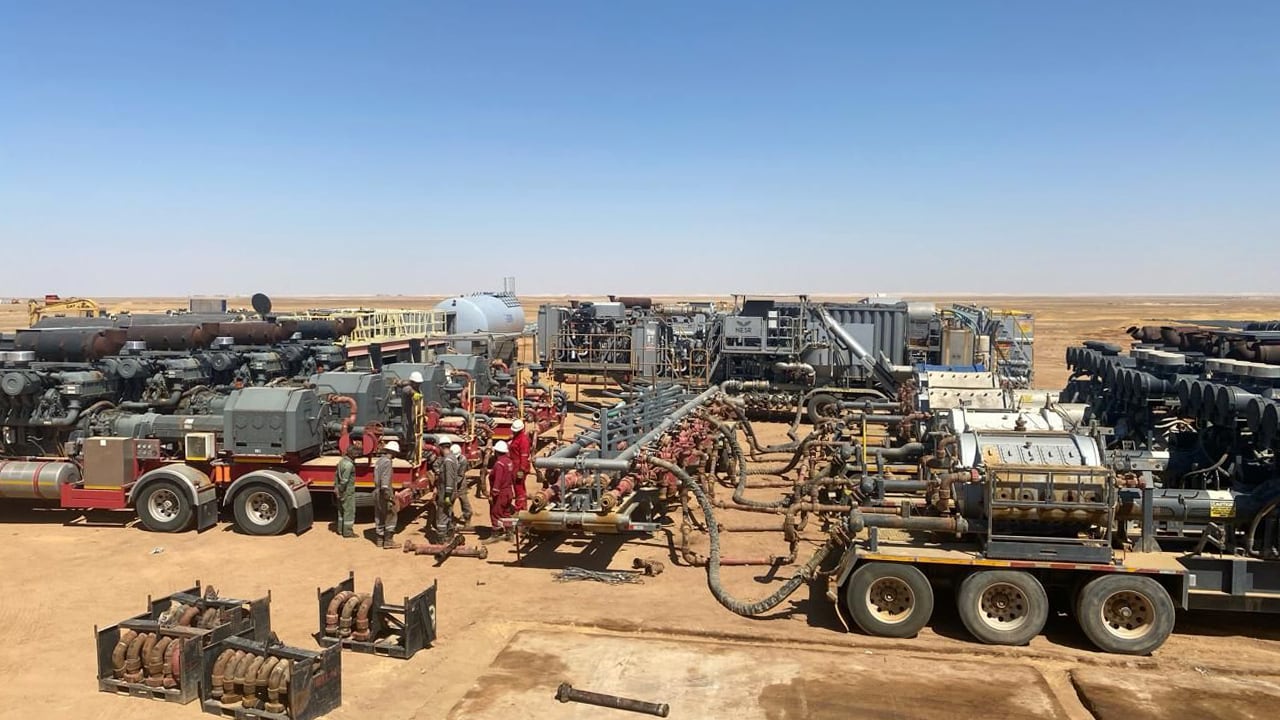
The company already has producing wells in Egypt generating revenue, and it is now trying to build that base into a much larger unconventional oil opportunity in Egypt’s Western Desert oil basin as the country pushes harder to unlock domestic reserves through horizontal drilling and hydraulic fracturing.
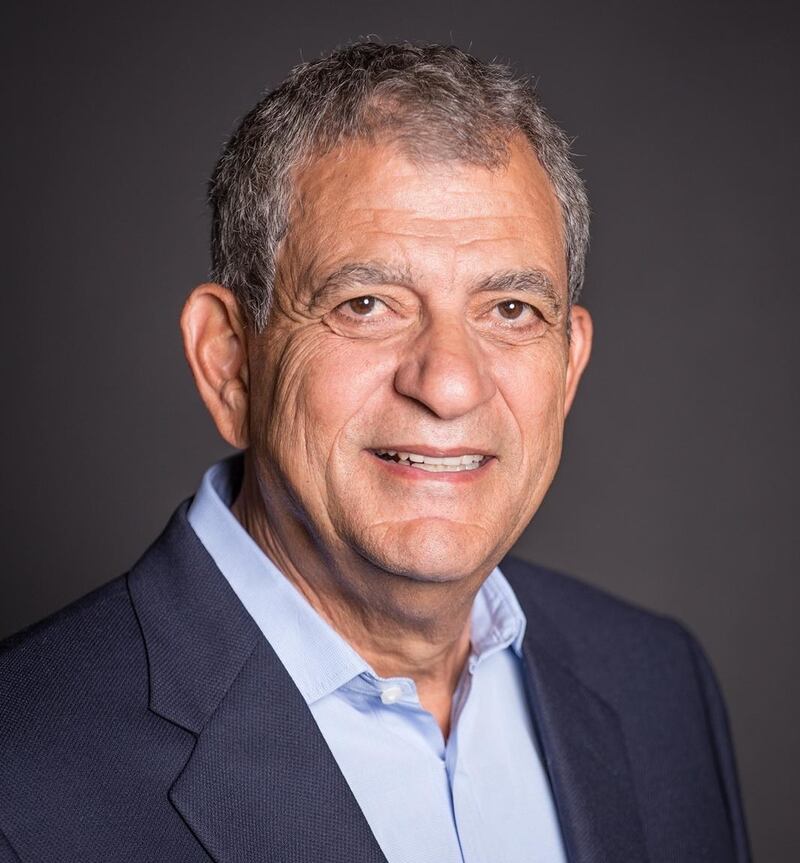
TAG Oil’s CEO and Executive Chairman, Abdel (Abby) Badwi, said the company is applying proven unconventional techniques to a part of Egypt that conventional drilling methods left behind.
“It’s a source rock, but it has never been developed because of its low permeability,” he said. “So, by introducing hydraulic fractures, we can get some good productivity.”
Badwi says that gives TAG an early-mover advantage in a part of Egypt where few others are pursuing the same unconventional approach. “The play is there, and nobody else is doing it. You can call us pioneers for this play in the Western Desert of Egypt.”
Unlocking a tighter oil opportunity
In simple terms, conventional oil plays are reservoirs where crude flows more freely through porous rock with good permeability and can often be produced with traditional vertical wells. In unconventional plays, the oil is trapped in tighter rock with low permeability, so producers typically need horizontal drilling and hydraulic fracturing to open pathways and get commercial flow rates.
That distinction matters in Egypt right now because it is exactly where policy is starting to move. On March 11, Egyptian President Abdel Fattah El-Sisi chaired a meeting that reviewed efforts to lift production through hydraulic fracturing and horizontal drilling, while also stressing the need to accelerate exploration and support more domestic output.
Egypt Today reported that the meeting focused on speeding up the use of horizontal drilling and hydraulic fracturing to unlock harder-to-produce reserves and lift domestic oil and gas output.
That policy push strengthens the case for TAG Oil, which is already pursuing the same playbook in Egypt’s Western Desert oil basin and underscores the importance of its 2026 plans.
From early validation to larger potential
TAG Oil first entered Egypt in 2022, by entering into a petroleum services agreement at the BED-1 concession and began targeting the Abu Roash “F” formation (ARF), a tight oil-bearing rock unit that had been identified before but not developed in a meaningful way with conventional drilling methods. BED-1 is now the more advanced asset in the portfolio and already includes TAG’s producing wells, giving the company both proof of concept and a small revenue base to build on.
Badwi said an independent resource study estimated BED-1 contains about 531.5 million barrels of oil initially in place. TAG later expanded its footprint with the much larger SERQ concession, where an independent volumetric assessment estimated roughly 3.2 billion barrels of oil initially in place across only part of the block.
In simple terms, BED-1 is helping the company prove the model today, while SERQ represents the much larger upside if TAG can show that the same approach works across a broader area.
At BED-1, the company first ran a vertical test, then drilled a horizontal well that ended up shorter than planned after encountering a fault.
Even so, he said the result was enough to give management confidence that the concept works. “So, yes, it has proved the concept,” Badwi said.
He added that the well initially produced about 500 to 600 barrels of oil per day, has since declined to about 100 barrels per day, and has produced more than 40,000 barrels over roughly two years. In Badwi’s view, that was an encouraging result from a well that did not fully capture the upside of a longer, properly completed horizontal section.
Production gives TAG real leverage to higher oil prices
Importantly, TAG is not starting from zero on the revenue side. Badwi said the company’s two existing wells are generating enough cash flow to cover operating costs. He also noted that higher oil prices are directly helping the economics.
“At $80, $90 we make good money out of these two wells that we have,” he said, adding that more wells would lower operating costs per barrel and improve netbacks. That gives TAG some direct leverage to stronger crude prices even before any larger development program is in place.
A funded 2026 program sets up the next test
Badwi said TAG is now preparing to drill a new vertical well in a deeper part of BED-1 where the company expects lighter oil, in the 30 to 35 API range, compared with roughly 23 API from the earlier wells.
He framed the coming well as a key milestone, saying that if TAG can deliver 500 to 600 barrels per day, that would be “a very significant milestone.” At the same time, the company is still working to finalize the SERQ concession agreement and advance the resource work there.
On the funding side, Badwi said TAG had roughly $2 to $2.5 million before its recent raise and netted about $10.5 million from the financing, leaving the company with about $13 million in cash.
That treasury is enough to fund the 2026 capital program, which Badwi pegged at roughly $10 million for two wells, while still leaving working capital on hand. For investors, that matters because it means TAG enters its next drilling phase funded, without near-term reliance on debt.
Badwi said the company has also cut overhead by shrinking its Canadian footprint and focusing its team on Egypt, where the key work is now centred. That sharper focus supports TAG’s case as a technical execution story built on experience in Egypt and other international technical consultants.
A company moving beyond the concept stage
Longer term, TAG’s plan is to continue proving the concept with more wells, build stronger production and cash flow, and in parallel look for a larger partner that can help develop the play on a broader scale.
Analysts following TAG are now weighing the same mix of current production, near-term drilling, balance-sheet strength, and longer-term upside, and their reports suggest the market is beginning to look at the company as more than a pure concept story.
Research Capital said the February financing of $11.5 million gave TAG the capital needed to move ahead with appraisal work at both BED-1 and SERQ. Just as important, the firm said a new NI 51-101 resource report expected in Q1/26 “represents a key catalyst” as TAG continues to define the unconventional play.
Beacon Securities also pointed to TAG’s longer-term potential, saying the company continues to search for a partner to help develop its Egyptian assets and that securing one could set the stage for a broader development program aimed at unlocking an estimated three billion to four billion barrels of oil in place.
For investors, TAG Oil is no longer just a story about potential. With production in place, a funded 2026 program and a much larger resource opportunity behind it, the company is now positioned to build on early success and push toward a larger growth phase in an Egyptian basin that is starting to matter.
To learn more about TAG Oil, visit their website or follow them on social media: LinkedIn and X

