OTTAWA – Defence Minister David McGuinty has acknowledged that the procurement review of F-35 fighter jets is a “point of debate or dialog” as tense trade negotiations with the United States continue.
When asked by reporters in Ottawa on Monday about whether the F-35 decision is part of the trade war, McGuinty said that “acquisition of that size would normally be a point of debate or dialog between two sovereign nations.”
“This is not the only factor involved in a multi-party, multi-element, multi-stakeholder type of negotiation. This negotiation with the United States is extremely complex,” he added.
McGuinty also emphasized that “the prime minister has been very clear: he will not be hurried on this.”
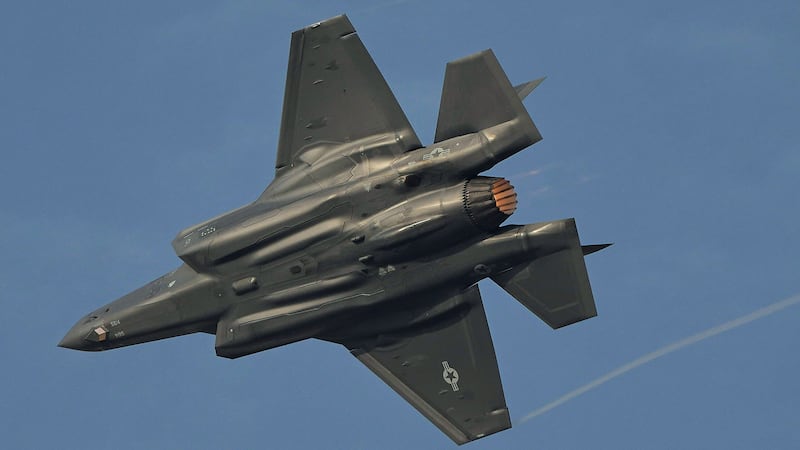
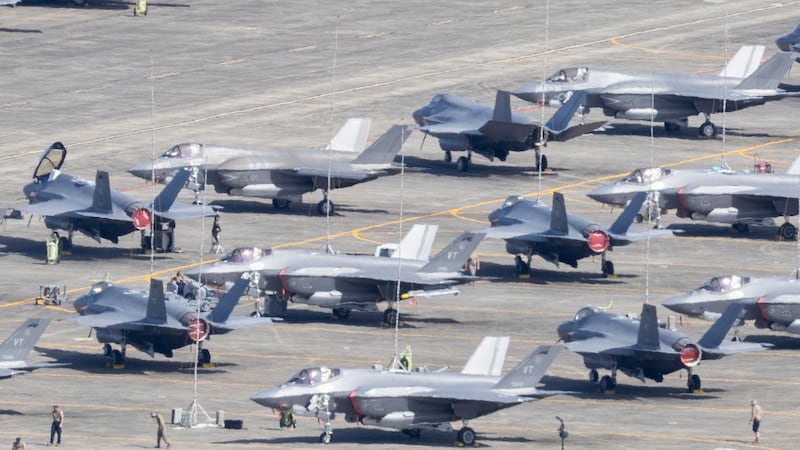
Canada inked a deal in 2023 to purchase 88 fighter jets from U.S.-based Lockheed Martin, and 16 are already in production. Some aircraft are expected to be delivered before the end of the year.
The review of the $27.7-billion acquisition was initiated by Prime Minister Mark Carney last spring as U.S. President Donald Trump ramped up tariffs. It was supposed to be completed last September, but as the trade war wages on, officials have refused to provide a new timeline.
CTV News has previously reported that Canada was considering a mixed fleet that would include Swedish Gripen fighters. U.S. Ambassador to Canada Pete Hoekstra has previously said Norad could be put in jeopardy if Canada reneges on its plan and has described the review as a trade irritant.
Trade talks ramp up ahead of deadline
Trade talks have intensified in the past few weeks after the Trump Administration threatened to impose new 50 per cent tariffs on a variety of Canadian goods on Aug. 19.
Following a 90-minute meeting last Thursday with U.S. Trade Representative Jamieson Greer, Canada-U.S. Trade Minister Dominic LeBlanc and Chief Trade Negotiator Janice Charette are back in Washington this week.
The new tariffs will target $28 billion worth of Canadian goods, some of which are covered by the Canada-U.S.-Mexico Agreement (CUSMA) and includes some dairy products, alcohol, furniture and hockey equipment.
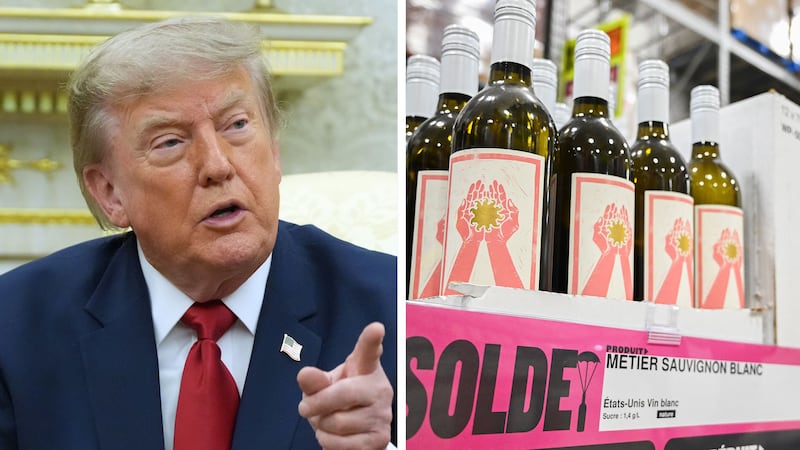
The White House says the measures brought in under Section 338 of the Tariff Act of 1930 are in response to Canada’s “discriminatory” policies such as dairy supply management and the provincial ban of U.S. alcohol.
In order to stave off the Section 338 tariffs, industry sources told CTV News that the federal government was considering some concessions in exchange for a “comprehensive agreement” that would reduce punishing tariffs on the steel, aluminium, auto and forestry sectors.
Sources with knowledge of the negotiations have said that proposals include removing counter-tariffs on autos, and convincing eight provinces to lift their bans on alcohol. Changing how some dairy quotas are managed is also being discussed.
Canada is also dangling the possibility of blocking preferential access for Americans to critical minerals, energy and big procurement projects as part of its negotiating strategy.
During the Liberal Party of Canada’s national convention last April, Carney declared that “the days of our military sending 70 cents of every dollar to the United States are over.”
As part of its Defence Industrial Strategy, the federal government plans to reduce reliance on the United States for military equipment by prioritizing on building domestically.
McGuinty said the question of loosening that policy for U.S. suppliers was an issue he was “sure” was being examined by the negotiating team.
In an open letter to Carney on Sunday, Conservative Leader Pierre Poilievre warned him against giving ground to U.S. negotiators unless Canada wins tariff-free access for Canadian lumber, steel, aluminum and cars.
With files from CTV News’ Stephanie Ha

