WINNIPEG – The push to “buy Canadian” is resurfacing, as tariff tensions between Canada and the United States continues to escalate.
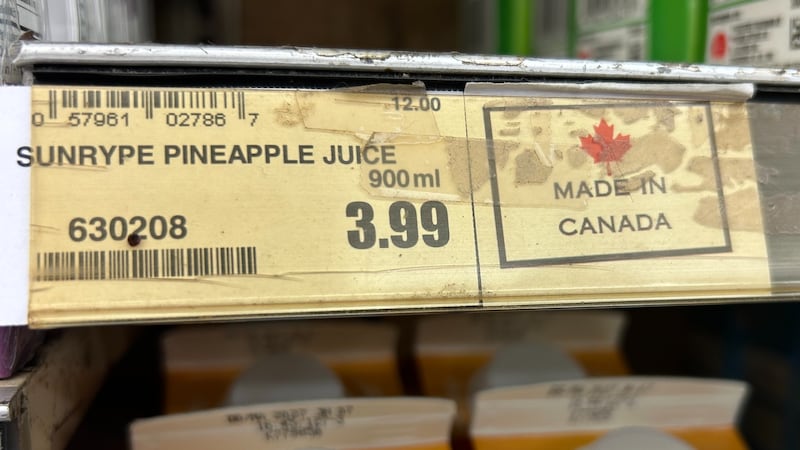
The owner of a Winnipeg grocery store has placed “Made in Canada” stickers all along his store’s shelves, to help consumers identify which products are Canadian.
He plans to add even more labels in the coming days.
“We’re always looking at different products and making sure that those ones that are made right here in Canada are highlighted first, and given more shelf space,” said Ramsey Zeid of Foodfare.
“Anybody that comes in and asks for a certain product, we always highlight that product first and let them know that we do have the ‘Made in Canada’ option.”
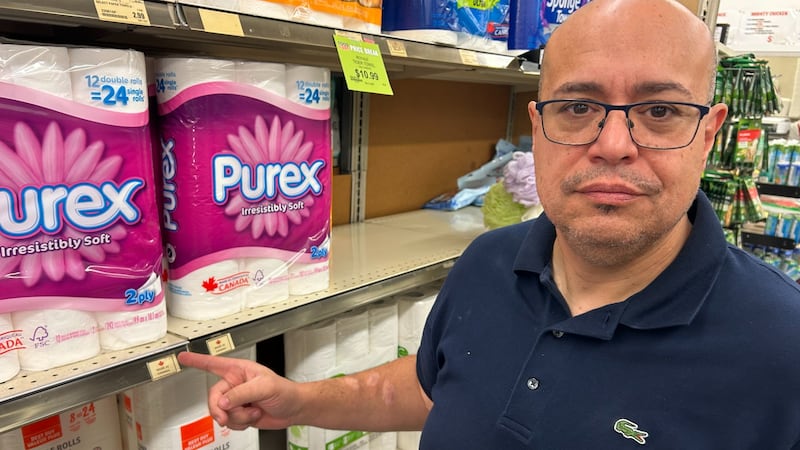
This comes after Ottawa announced dollar-for-dollar counter-tariffs on hundreds of American goods in response to U.S. President Donald Trump’s 50 per cent tariffs on roughly $28 billion worth of Canadian products.
Manitoba Premier Wab Kinew met with industry and labour representatives earlier this week to discuss the concerns they have about the U.S. tariffs and how they will impact Manitobans.
At an unrelated event on Tuesday, Kinew said that he is encouraged by the federal government’s plan to support Canadians amid the ongoing trade war, adding the province will soon unveil details about how it plans to help.
“We have to stand up for our sovereignty, our independence, our freedom as Canadians,” he said. “At the same time, we have to have supports there that are going to help those businesses that are going to bear the brunt of being caught up in an unjustified trade war launched by the U.S.”
Zeid said it’s been a challenging time for his business, adding there’s never been a more important time than now to support Canadian goods.
“We need to make sure that we support Canadian companies, so that if this ever does happen again later on in the future, we’re not scrambling to try to figure out, ‘How are we going to protect the families? How are we going to protect our economy? How are people right here in Canada going to have jobs? How are they going to eat?’” he said.
“There should be no reason why we can’t support Canadian businesses.”
The “buy Canadian” movement gained significant momentum last year, as Trump’s escalating trade disputes with Canada and other countries fuelled economic uncertainty, introduced sweeping tariffs, and raised the prospect of further threats to Canadian businesses and consumers.
Canadian grocers identify tariff-affected items
Zeid is not the only one adding Canadian-labelled signage at his store.
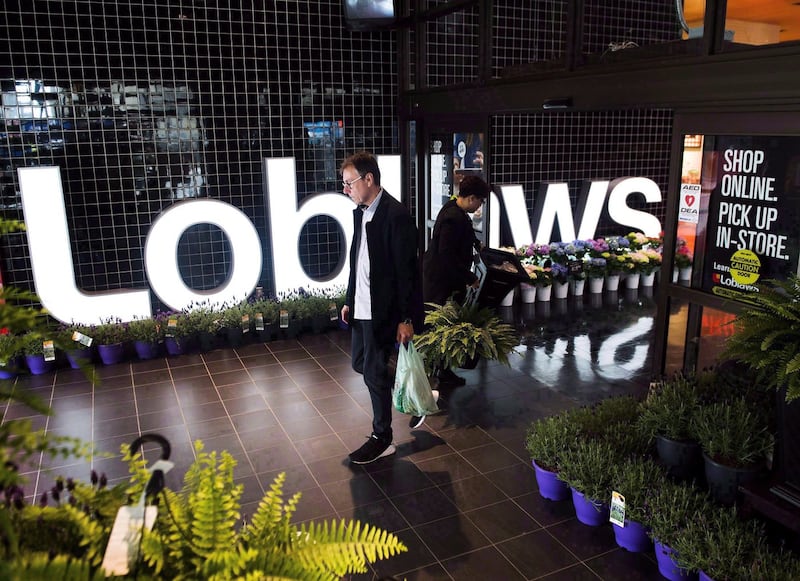
Loblaw says it’s bringing back the “T” symbol to its grocery shelf labels, to signal products that have seen price increases due to tariffs.
A spokesperson from Loblaw confirmed to CTV News that customers will begin to see the “T” symbol appear, as affected products are identified and shelf labels are updated.
The company will also continue using the maple leaf symbol to highlight local products.
“Customers have told us they want to support Canadian farmers, producers, entrepreneurs and businesses. We want to make doing that easier,” said Youmna Rab, the retail communications manager at Loblaw, said in a statement.
“Supporting Canadian suppliers can further strengthen domestic supply chains and reduce our exposure to some international disruptions.”
Sobeys also confirmed to CTV News that it will continue highlighting local products on its shelves.
“In our stores, customers can expect that we will continue to feature local products prominently alongside provincial flags so that customers identify items locally grown or made,” said Tshani Jaja an advisor in the external communications department at Sobeys.
“Additionally, packaging will continue to give customers consistent and industry-regulated information about which products are Canadian.”
Jasmin Guénette calls the move to reinstate Canadian labels on shelves a ‘normal reaction.’
“Businesses should take advantage of the current sentiment to really advertise the kind of products that they have, to inform consumers on ‘Made in Canada’ products,” said Guénette, vice-president of national affairs with the Canadian Federation of Independent Business (CFIB).
He says despite the uncertainty and impacts the tariffs are imposing on several businesses across the country, there is a lot of solidarity amongst consumers supporting Canadian products.
“Shopping local will help small businesses get through this, but it’s important that the current war, the current tariff situation between Canada and the U.S., is resolved as rapidly as possible,” he said.
Heightened interest in Manitoba-made products
The push to purchase Canadian goods has translated into increased sales for some local businesses.
Multiple provinces, including Manitoba, pulled American booze from their shelves in 2025, in response to U.S. tariffs on Canadian goods.
Manitoba briefly allowed some U.S. liquor, that was about to expire, to be sold around Christmas, with sales going to charity.
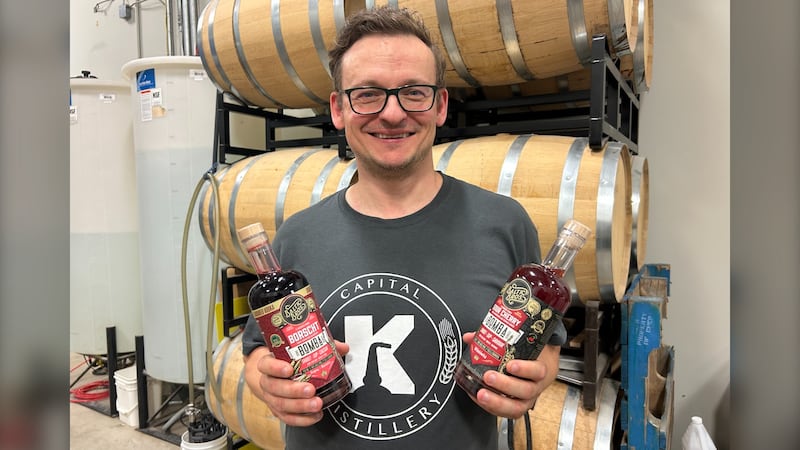
This, however, has opened shelf space for local breweries, including Baltic Brothers at Capital K Distillery in Winnipeg.
“We were limited before the tariffs to about two or three bottles from within the Baltic Brothers brand,” said Martin Pacak, who is the brand manager with the business.
“Now we’re up to five or six, so we actually have definitely more shelf placement, and that, in turn, results in about 15 to 20 per cent increase in sales.”

