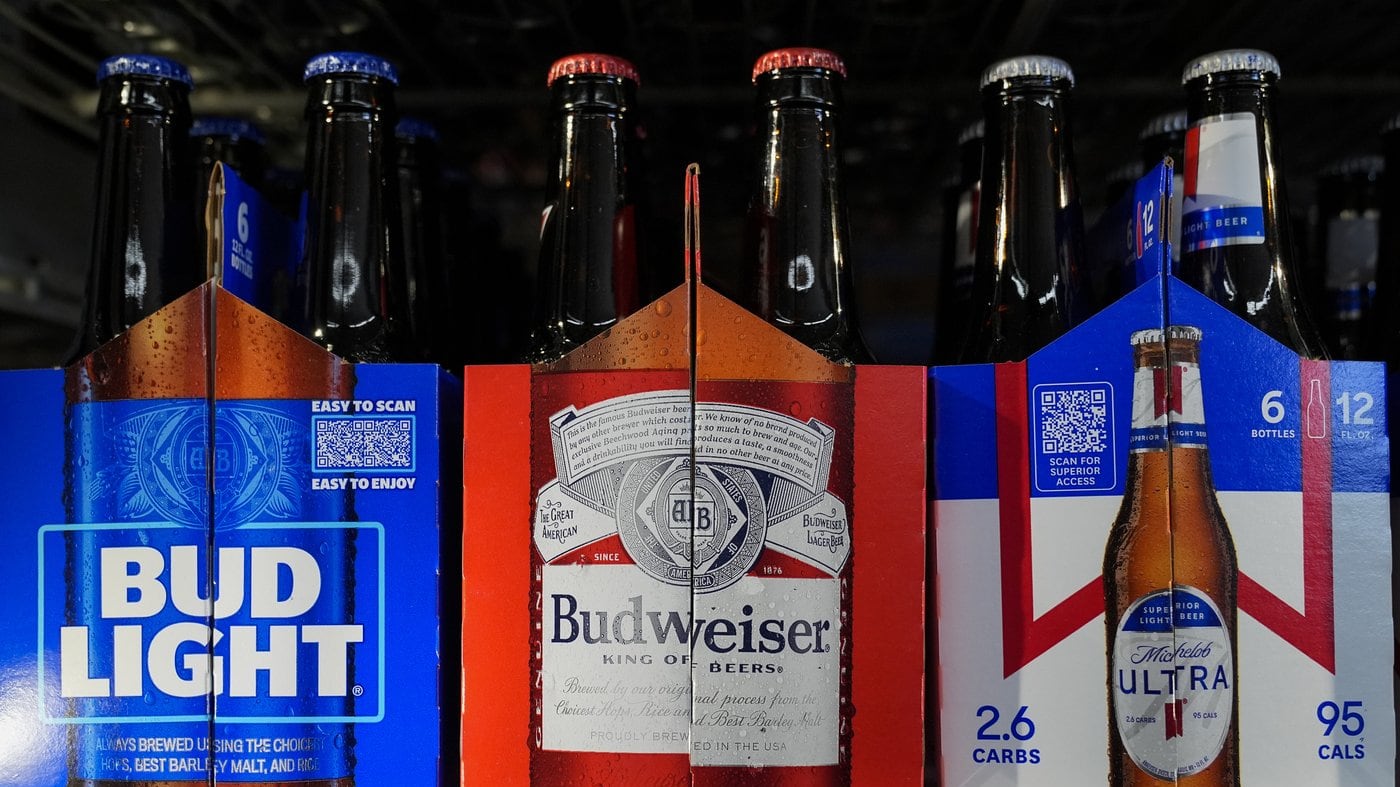
REGINA — Saskatchewan entered the Canada-U.S. trade war Tuesday, slapping a retaliatory tax on American booze.
Premier Scott Moe says the move is regrettable but necessary.
“Saskatchewan didn’t ask for this trade fight, but we will stand up for our people and industries,” Moe said in a statement Tuesday.
He said it was necessary to respond to what he called “unjustified tariffs” from the United States.
Moe previously announced his province would implement a 50 per cent fee on American alcohol when Canada’s reciprocal tariffs take effect. Those tariffs came into force Tuesday, targeting close to $28 billion in U.S. goods.
Moe also said both countries must remember that tariffs and counter-tariffs increase costs for businesses and consumers on both sides of the border. He urged negotiators for both countries to return to the table to get the best deal.
The two countries remain locked in the trade spat that began last month when U.S. President Donald Trump implemented a 50 per cent tariff on Canadian liquor and a range of other goods.
In Saskatchewan, any U.S.-produced alcohol purchased through the Saskatchewan Liquor and Gaming Authority’s online ordering system, used by retailers across the province, is being hit by the levy.
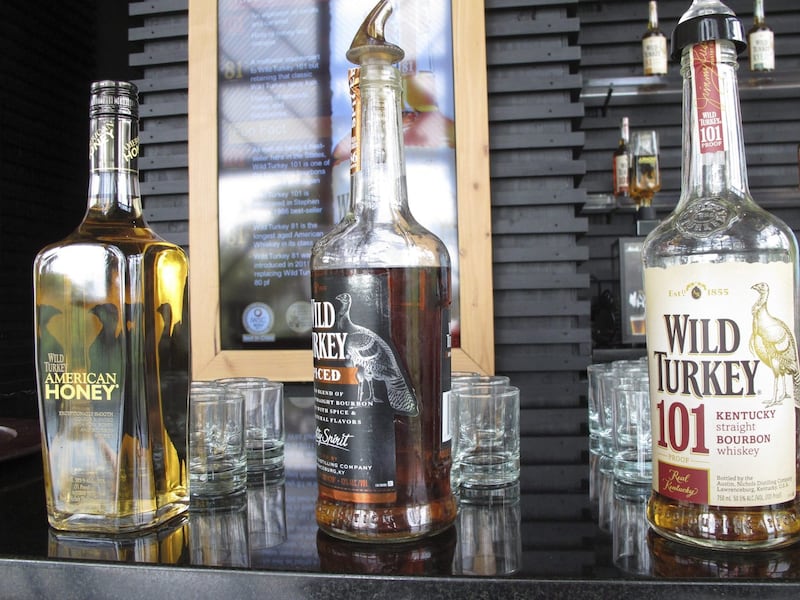
Unlike other Canadian provinces, Saskatchewan and Alberta do not have a ban on American alcohol products.
Alberta Premier Danielle Smith hasn’t followed Saskatchewan’s lead by implementing a reciprocal tax. Following Moe’s announcement, she said her cabinet would consider it.
Moe has said U.S. liquor would remain on store shelves, because the province doesn’t want to limit the public’s ability to choose.
“That is a very important core value for this government,” he said in late August.
He added that residents have been showing support for Canadian products with their wallets, as American booze sales in Saskatchewan are down by about 40 per cent.
Opposition NDP Leader Carla Beck called the Saskatchewan Party government’s move a “weak and gutless response” to Trump’s attack on Canada’s sovereignty and economy.
---
This report by The Canadian Press was first published Sept. 8, 2026.

