TORONTO – Smaller Canadian steel companies say Canada’s push to support the industry north of the border is making it more expensive for family-owned manufacturers to buy Canadian steel products.
“We’re certainly flirting with the idea that buying Canadian prices you out of making a product in Canada,” said Rahim Moloo, the owner of Conquest Steel in Toronto.
Moloo’s family steel business, which just celebrated its 25th anniversary, manufacture several steel products, including raised garden beds and window wells.
The family proudly buys all their raw materials from Canadian steel mills. The large steel coils they use to make their products are purchased from both Stelco and Dofasco in Hamilton, Ont.
However, Moloo says the price of those large steel coils has spiked drastically.
“The price has risen steadily over the last 12 months, we’re inching closer to seeing our cost double in 2027,” said Moolo.
The business owner also says that supply in Canada is scarce.
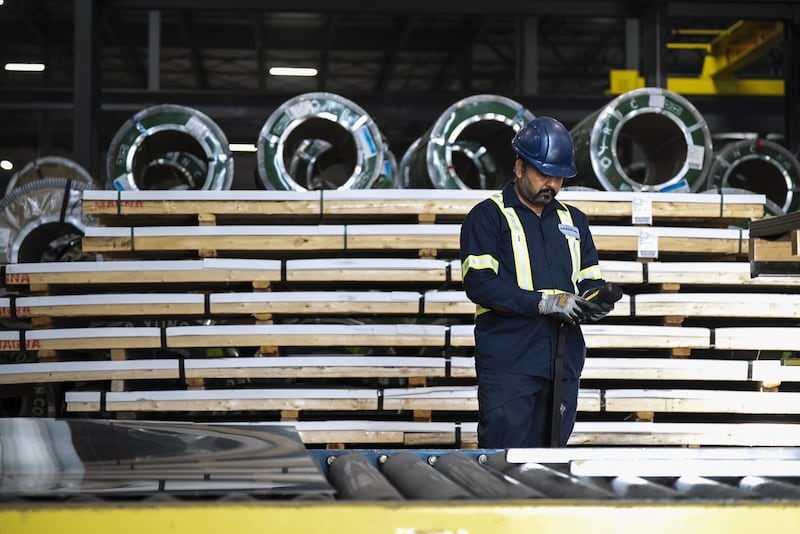
“When we place an order, we’re hoping that we actually get the material and we’re not just in a cue waiting and told down the line that we are not serviced,” he said, adding this was an issue before Stelco announced Monday it would lay off 350 steelworkers.
In June 2025, Ottawa implemented tariff-rate quotas (TRQs) on some steel imports coming into Canada from countries with no free-trade agreement.
The move was taken in part to insulate Canada’s steel industry from U.S. tariffs.
“The TRQ is meant to cap imports at a certain level at which they’re duty-free. Over that quota, they’re subject to a 50 per cent tax,” said Robert Glasgow, a partner at KPMG Law.
But Moloo and his team at Conquest Steel believe that Ottawa’s plan has somewhat backfired, leading to a shortage of domestic steel nationwide, which has in turn elevated the price of steel sold by Canadian mills.
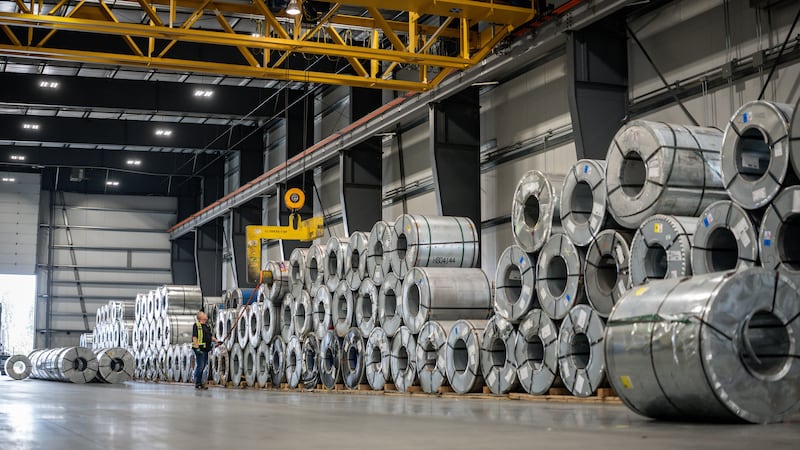
“Protecting the steel mills is important, we need to have a strong industry,” Moloo said. “But at the same time, my cost of goods domestically has skyrocketed, and the lack of availability has us worried about fulfilling our future orders in the months ahead.”
Moloo believes sourcing the steel coils his company needs in Canada will become even more difficult and expensive after the Stelco layoffs.
“These smaller businesses are companies that probably have to be engaging with finance and engaging with the Canadian government to ensure Canada understands the pain they’re going through, too,” said Glasgow.
In an email to CTV News, the office of federal Finance Minister François-Philippe Champagne said “work is ongoing to implement mechanisms that address unintended consequences, and advance measures that create certainty in the face of an unpredictable and volatile global steel and trade environment.”
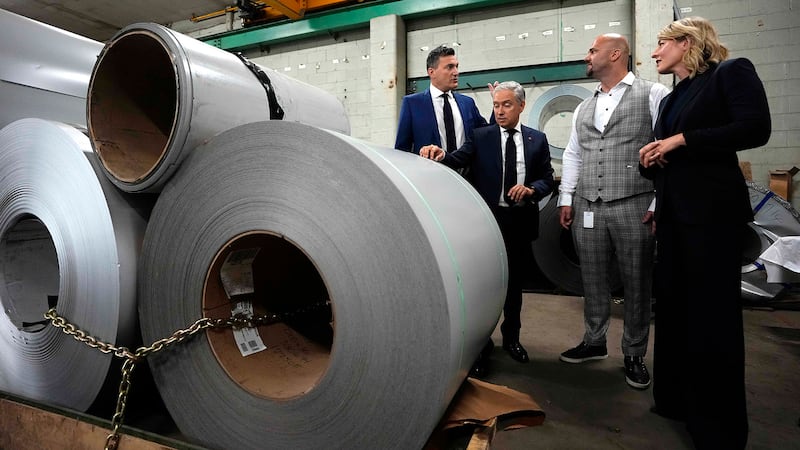
Glasgow believes Ottawa may need to investigate amending tariff-import quotas on certain steel goods, so smaller Canadian companies like Conquest Steel can continue to provide a “made in Canada” product at a reasonable price to their domestic customers.
“There’s no way that I’m not going down without a fight,” Moloo said. “That’s who I am, and it’s in my DNA as a Canadian, too … when times are tough, we stand up for each other.”
Moloo says he hopes the federal government will stand up for him and his business, too.

