

A new U.S. border rule could soon prevent American consumers from accessing cheaper prescription medications from Canada, which advocates warn could pose “serious health consequences.”
Starting Oct. 22, U.S. Customs and Border Protection (CBP) will no longer allow small packages worth US$800 or less containing regulated products, including personal prescription drug orders, to be mailed duty-free.
Gabriel Levitt, founder and president of Prescription Justice, which advocates for lower U.S. drug prices through personal importation, said the new system involves using a technical platform and an “importer of record.”
“Basically, what has been for decades a quite simple process of Americans obtaining by mail more affordable prescription drugs from licensed pharmacies in Canada and other countries, will be much more complex,” Levitt said in a video interview with CTVNews.ca on Tuesday from Brooklyn, N.Y.
“The concern has been that where there’s been this channel of affordable prescription drugs, those packages won’t even be able to be shipped in the first place using this system,” he added.
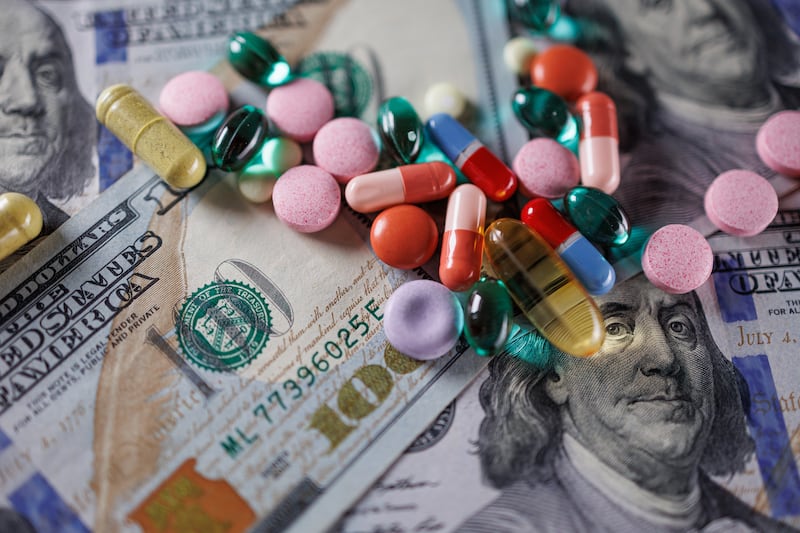
The new rule comes a few months after a U.S. trade court ruled the Trump administration can end a tariff exemption for small packages imported into the United States. U.S. President Donald Trump had last year moved to eliminate the “de minimis” exemption for packages worth US$800 or less, due to concerns about individuals smuggling drugs and avoiding tariffs through the shipments.
Levitt said under the new rule, the U.S. Food and Drug Administration (FDA) must decide whether to admit or refuse the prescription drugs shipped to the U.S.
While the CBP said the new rule is meant to block illicit drugs, such as fentanyl, from entering the country, Levitt said he hopes the U.S. government will “do the right thing” when applying the rule to personal prescription medication. He cited the U.S. Federal Food, Drug, and Cosmetic Act, which allows Americans to import certain prescription drugs from Canada if they are for personal use and don’t pose “additional risk to public health and safety.”
Prescription Justice said in a news release last month that it is urging the FDA and CBP to ensure they will still allow shipments of the medicines.
“Prescription Justice supports stronger enforcement against fentanyl, controlled substances, counterfeit medicines and fraudulent sellers,” Levitt said in the news release. “But FDA should exercise enforcement discretion so that Americans with valid prescriptions can continue to receive genuine, non-controlled medicines dispensed by licensed pharmacies in Canada and other countries with advanced regulatory systems.”
Levitt also said in the news release that the U.S. government should distinguish between the “dangerous drugs” and the lower-cost medicines. According to Prescription Justice, regulatory systems abroad “provide robust safeguards for quality and patient protection” for importing prescription drugs into the United States.
The FDA and CBP did not respond to CTVNews.ca’s request for comment before publication.
Tim Smith, general manager of the Canadian International Pharmacy Association (CIPA) in Winnipeg, said many of his organization’s members are “very busy” trying to help patients in the United States.
“For the past 25 years, we’ve been serving Americans … These tend to be uninsured (or) underinsured people, often senior citizens on (a) fixed income, who are on a maintenance medication for an ongoing condition,” Smith said in a video interview with CTVNews.ca on Tuesday. He said some of those patients include those who have suffered a stroke or struggle with diabetes or high cholesterol.
Smith said CIPA’s licensed, retail pharmacies sell “maintenance medications” – with supplies lasting up to 90 days – to both Canadian and U.S. patients.
“If this is taken away … then those patients will have to find alternate means for their drugs,” he said.
“Americans cannot afford prescription drugs in the same way that they can in Canada and other high-income countries,” Levitt said.
A study published last March by KFF, an American non-profit that looks at U.S. health policy, found that 43 per cent of Americans reported they could not take their prescriptions in the past year because of the price.
“When people can’t afford their medications, sometimes they get sicker and sometimes they die. … there are serious health consequences,” Levitt added.
With files from AFP

