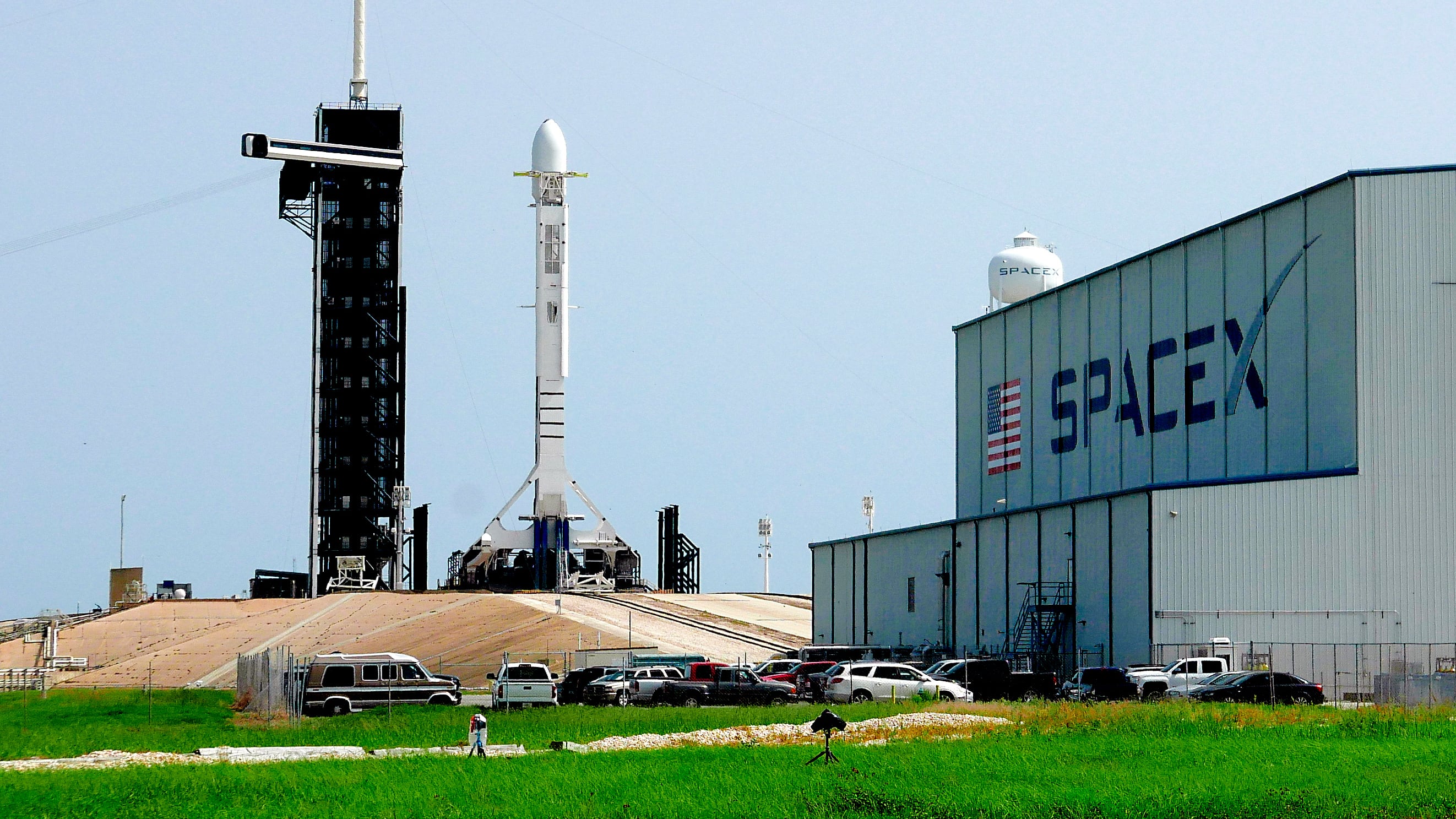
2026 is expected to be a big year for IPOs, and none could be bigger than SpaceX.
The company is reportedly gearing up for an IPO that could make it one of the world’s most valuable public companies. Its recent merger with Elon Musk’s artificial intelligence company, xAI, adds a new dimension.
To understand the opportunity, it helps to start with what SpaceX actually does.
We recently did a full breakdown of the business on Ticker Take.
Everyone knows about the incredible rockets. But in many ways, they were only the starting point of the company. The success of its rockets has essentially enabled SpaceX to sell access to space. That includes transferring cargo into orbit, re-supplying space stations, and transporting astronauts.
Falcon 9 is the company’s workhorse. It is SpaceX’s second-generation rocket and the first that was truly reusable. This turned launches into a repeatable business and transformed space launches from one-off expensive events into a scalable operation. Growth truly accelerated in 2015, when the company began regularly landing boosters and re-using rockets. The launch cadence increased, and that repeatability underpins SpaceX’s operations today.
Starlink: the growth engine
The real growth engine today is Starlink, SpaceX’s satellite internet service. The company’s rocket capability has enabled it to place more than 9,000 satellites in low Earth orbit. Those satellites now serve more than nine million active customers across more than 155 countries and territories. And the network is growing rapidly.
And Starlink represents the core commercial opportunity. Its satellites and orbital infrastructure are reportedly where SpaceX generates the majority of its revenue and where much of the future value of the business comes from.
The next generation of satellites are expected to be bigger and more powerful. They will have the ability to connect directly to mobile phones. That will allow SpaceX to tap into the global telecommunications market, providing cellular service to millions.
Starlink also supports government programs like Starshield. And, it is expected to be the foundation for orbital data centers. The ability to launch, operate, and upgrade satellites at scale reportedly gives SpaceX a strategic advantage.
Starship: the next-generation rocket
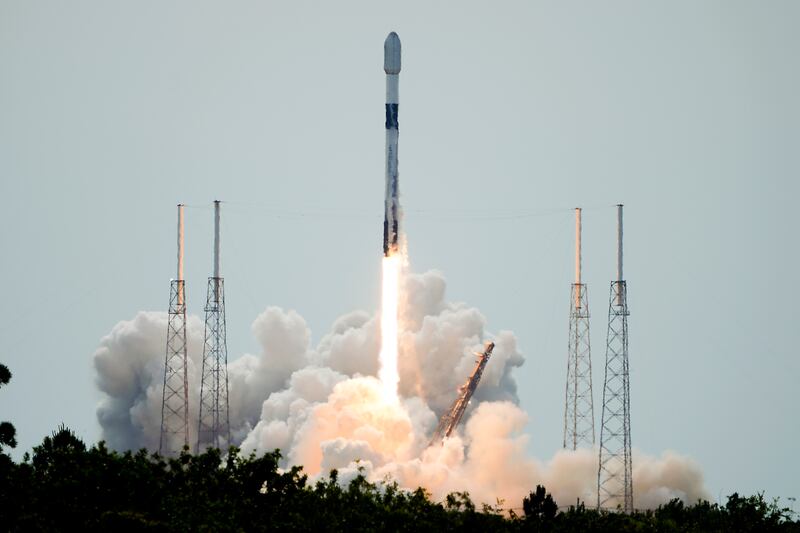
Starship is SpaceX’s next-generation rocket. It was originally built with the intent to support Mars missions and carry larger payloads into orbit more efficiently.
While Starship has not yet entered full commercial service, Elon Musk has talked about producing it at extremely high volume. Starship is seen as key for launching the next generation of Starlink satellites and supporting orbital infrastructure such as data centers.
It is also the vehicle that could take humans to the Moon, Mars, and beyond. Starship is both a revenue engine and a long-term vision vehicle.
The xAI merger and orbital compute
That vision is reportedly expanding with the merger between SpaceX and Musk’s artificial intelligence company, xAI. Musk has said space-based AI is the only way to scale compute without straining Earth’s power and cooling systems.
So, the merger brings together rockets, satellites, and AI capabilities to build massive orbital data centers. That could potentially unlock lower-cost AI compute on or off Earth.
Valuation and growth
SpaceX was recently valued at a reported US$800 billion in private markets, up from US$400 billion last year. Reports suggest a 2026 IPO could target a valuation of US$1.5 trillion — an amount that seems on track, given the combined SpaceX and xAI business has reportedly been valued at US$1.25 trillion. Does growth support the valuation?
SpaceX was reportedly expected to generate about US$15.5 billion in revenue in 2025, with projections of US$22 billion to US$24 billion in 2026.
Longer term, there have been estimates that Starlink could reach one billion subscribers by 2040. That would account for the majority of SpaceX’s projected revenue.
So, investors would be buying into growth for the current business, but also the future vision.
Of course, there are risks. Scaling Starship and expanding Starlink will require continued execution. Going public could also expose the company to greater scrutiny.
The Ticker Take
Ultimately, SpaceX is not just a rocket company. It is Starlink, connecting millions of people. It is Starship, enabling massive scale. And it is building infrastructure for the future of space and artificial intelligence beyond Earth.
If SpaceX goes public, investors will be buying into a company aiming to control a significant share of the future space economy.
Jon Erlichman is a BNN Bloomberg contributor and the host of Ticker Take on YouTube.

